
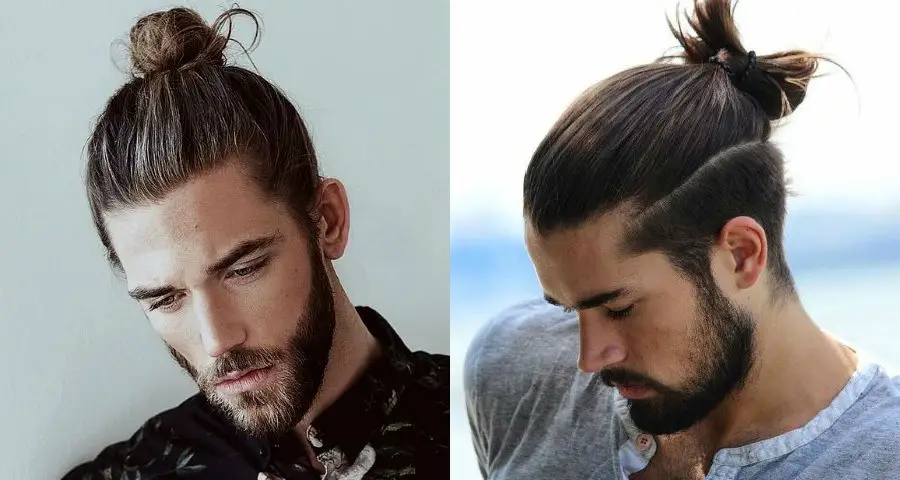
They say that hair is the frame of the face, but besides that, it also has great importance in cultural aspects. The Chonmage (丁髷) is the name given to a traditional Japanese hairstyle used by samurais in ancient times.
In this hairstyle, the front part of the head is shaved and then oil is applied to the lower part where the hair is longer, and then a folded ponytail is tied at the top of the head.
This hairstyle became common in Japanese society, but initially only samurai men used it with the aim of securing the Kabuto (兜, 冑), a Japanese helmet that was part of the armor. This also helped to prevent the head from sweating too much due to the heat, as the shaved part allowed for better ventilation.
There’s a different way to get rid of unwanted heat, isn’t there?! Now let’s learn a little more about this hairstyle.

Table of Contents
When did the samurai hairstyle originate?
The origin of this peculiar hairstyle is related to the use of ancient hats by nobles in China around the Heian Period (794 to 1185). But it was only in the Asuka Period (592 to 710) that Chonmage became popular in Japanese culture.
However, it can be said that Chonmage is related to the Tokugawa period (1603-1868). This period was marked by heavy restrictions and political-economic isolation in Japan and a harsh internal control that regulated the feudal domains through a code of laws.
It was during this time that Japanese men had to adopt the original Chonmage hairstyle in obedience to the demands of the era. In addition, they had to shave their beards completely.

Samurai hair pride
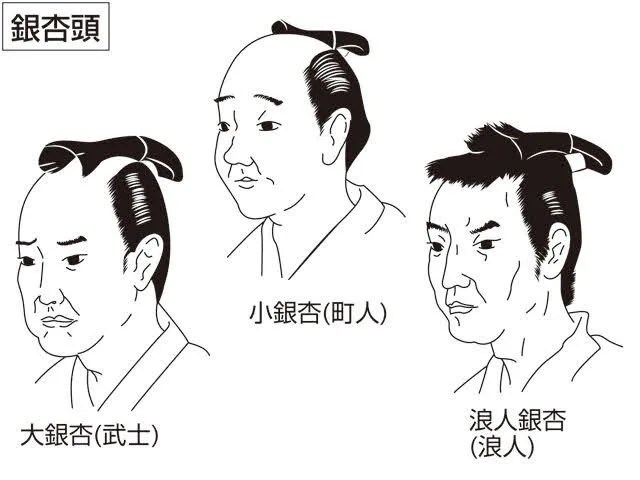
The hairstyle became popular among citizens due to the changing appearances of samurais. However, the standard was not followed completely, and other variations of Chonmage emerged. As the hairstyle was introduced into society, it became a symbol of pride among the population. What was once limited to civil servants of the Japanese empire became something that anyone could adopt.
The samurai hairstyle today
After the Meiji period underwent a restoration process, Chonmage ceased to be used (19th century). This hairstyle is still seen today on Kabuki actors and is very commonly worn by sumo wrestlers.
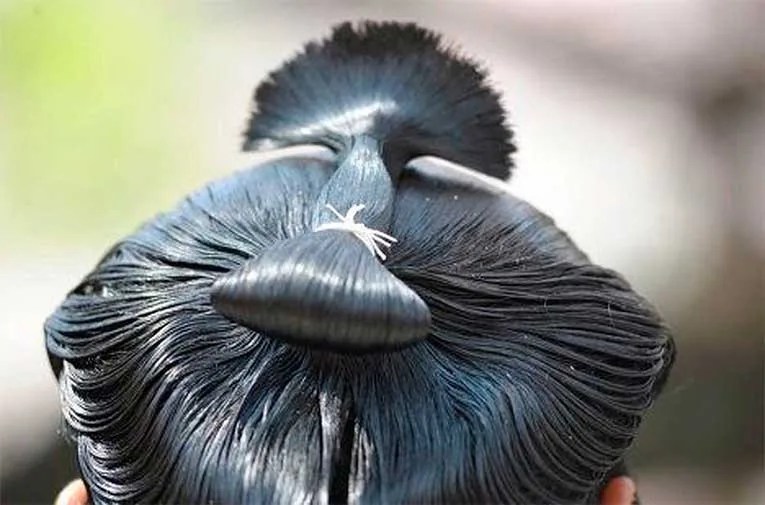
However, wrestlers do not adopt the shaved front part of the head. When they belong to the sekitori category, they usually wear the hairstyle with a topknot known as ginkgo leaf (õichō).
The final part of the topknot is spread out like an open fan. There are specific hairdressers to style the wrestlers’ hair called Tokoyama.
Samurai hairstyle in movies
Who has never watched a movie or anime with samurais? Especially movies are very helpful when we want to know what a certain era and culture looked like through images.
When it comes to conveying the reality of clothing and hairstyles of the time, feature films spare no effort to get as close to reality as possible.
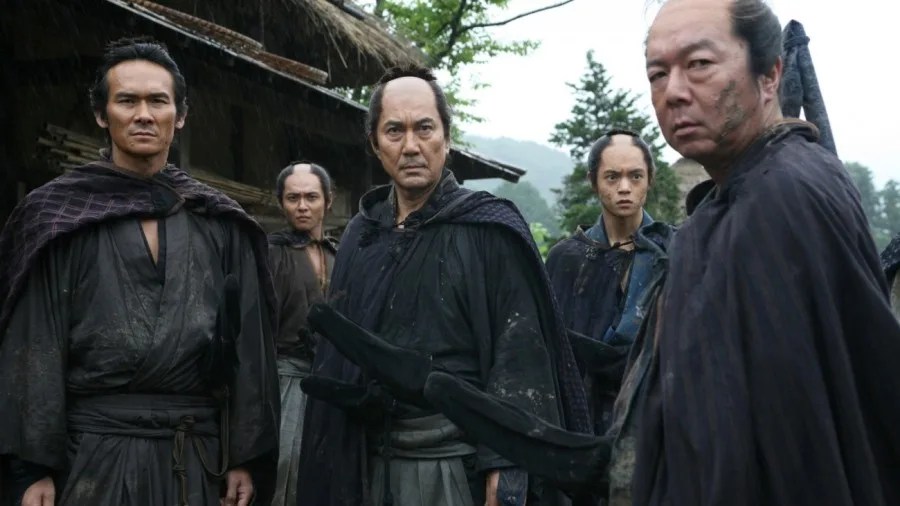
To write this article, I was inspired by some movies to better understand how Chonmage was used by samurais. This hairstyle is very well depicted in the film 13 Assassins. This film is inspired by “The Seven Samurai.” 13 Assassins takes place in the year 1844 and tells the story of 13 samurais who are summoned to kill a powerful local leader. The most interesting thing is that they wear Chonmage in its original form, as well as the costumes during the fights.
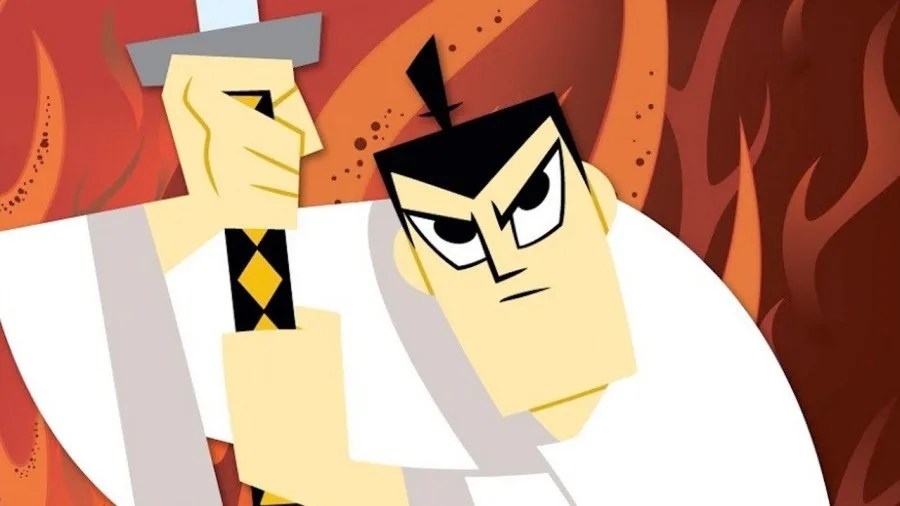
Now in the animation category, most people have probably seen a scene from Samurai Jack; this cartoon is American but is inspired by Japanese culture.
In this cartoon, a samurai aims to defeat a wizard, but he is transported to the future. To accurately characterize the samurai character, the creator took care to depict the Chonmage but a little differently. The character does not have the front part of the head shaved, and his bun is at the top of his head.
The samurai bun or topknot
The fact that Chonmage has fallen out of use does not mean it cannot have its variations today. You may have heard of the samurai bun, which is also known as a topknot. This hairstyle is likely a modernization of Chonmage.
This hairstyle does not have a standard, but basically, a bun is made on the top of the hair while the bottom is left loose or cut shorter with a closer trim. Or simply all long hair tied up with a more casual bun.
And would you have the courage to adopt any style adapted from Chonmage?

Leave a Reply