
Those with small children know how delicate it is to choose what they watch. Especially in children's cartoons, where there is an endless variety of styles, colors, sounds, and stories: some wonderful, others a bit exaggerated. But what if you're looking for calm Japanese anime with few stimuli for children? The quieter ones, with a gentle pace, soft colors, and simple stories? They exist, and I've picked nine of them, grouped by age.
This type of anime is ideal for small children or for moments when we want to reduce the excess of visual and auditory information. And let's be honest: sometimes, even adults appreciate this breather. So, if you're looking for something relaxing, educational, and enchanting at the same time, keep reading.
Contents 14
Why choose low-stimulation anime for children?
More is not always better. Children, especially those under 5 years old, are still forming their brain connections. At this stage, an overload of bright colors, sharp sounds, fast movements, and very hectic stories can lead to overstimulation, anxiety, or confusion.
Japanese children's anime with few stimuli offers a healthy balance. These titles usually have:
- Softer colors;
- Calm soundtrack;
- Simple and positive stories;
- Slower pace;
- Engaging characters, but without exaggeration.
It is the type of content that invites the child to observe, pay attention to details, and even calm down.
The dose matters too. The American Academy of Pediatrics recommends avoiding screen media before 18 months, except for video calls, and limiting entertainment screen time to one hour a day between 18 months and five years. The titles below fit that routine well because they move slowly and keep sounds and colors gentle.
Low-stimulation anime for children aged 1 to 3
Inai Inai Baa! (いないいないばあっ!)
"Inai Inai Baa!" is an NHK series aimed at babies and very young children, on the air since 1996. The name refers to the peek-a-boo game that adults play with babies, a gesture that reappears throughout the show. The songs, sounds, and images are extremely simple, with soft colors and friendly characters.
The program avoids complex narratives and focuses on sounds, simple words, and movements. It works as a gentle introduction to the Japanese language and to basic perception skills, while being careful not to overwhelm the child.

Shimajirō no Wow! (しまじろうのわお!)
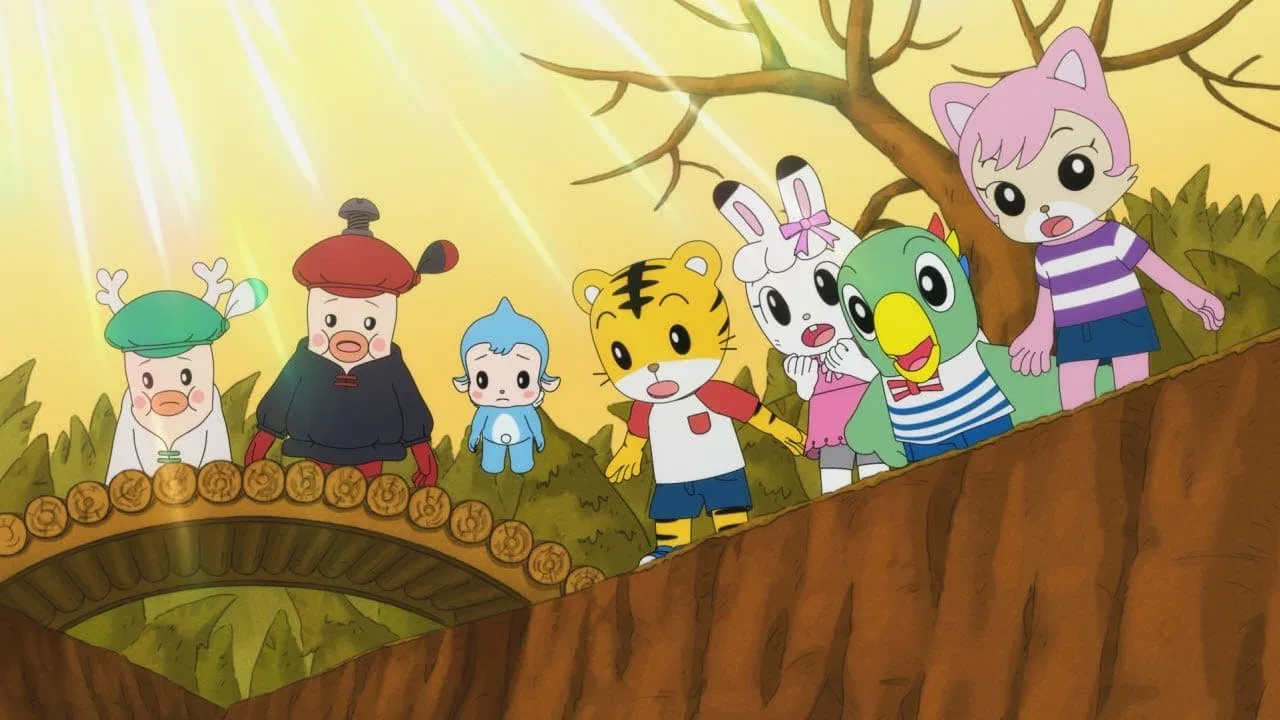
Shimajirō is a friendly tiger who stars in one of Japan's most well-known children's programs. "Shimajirō no Wow!" combines short stories with educational songs and lessons about daily life, such as washing hands, saying "thank you," and getting along with friends. Everything is presented visually, with calm sounds and a slow rhythm.
In addition to the regular episodes, there are also songs and interactive segments. It is a great option for children who are beginning to understand the world around them and need calm, educational content with a moderate pace.
Chi's Sweet Home
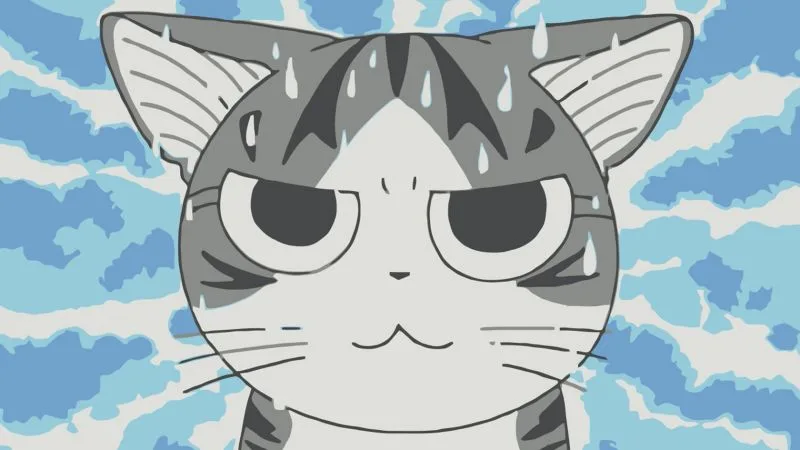
Chi is a curious and cute kitten who stars in this anime aimed at children. Each episode is a few minutes long and shows everyday situations in the life of a kitten, always with light humor and extremely pleasant visuals.
The colors are soft, the animation style is simple, and the scripts are easy to understand. Even very young children can follow what happens and have fun, since the show keeps stimuli low and moves at a child's pace.
Anime for children aged 4 to 6
Rilakkuma and Kaoru
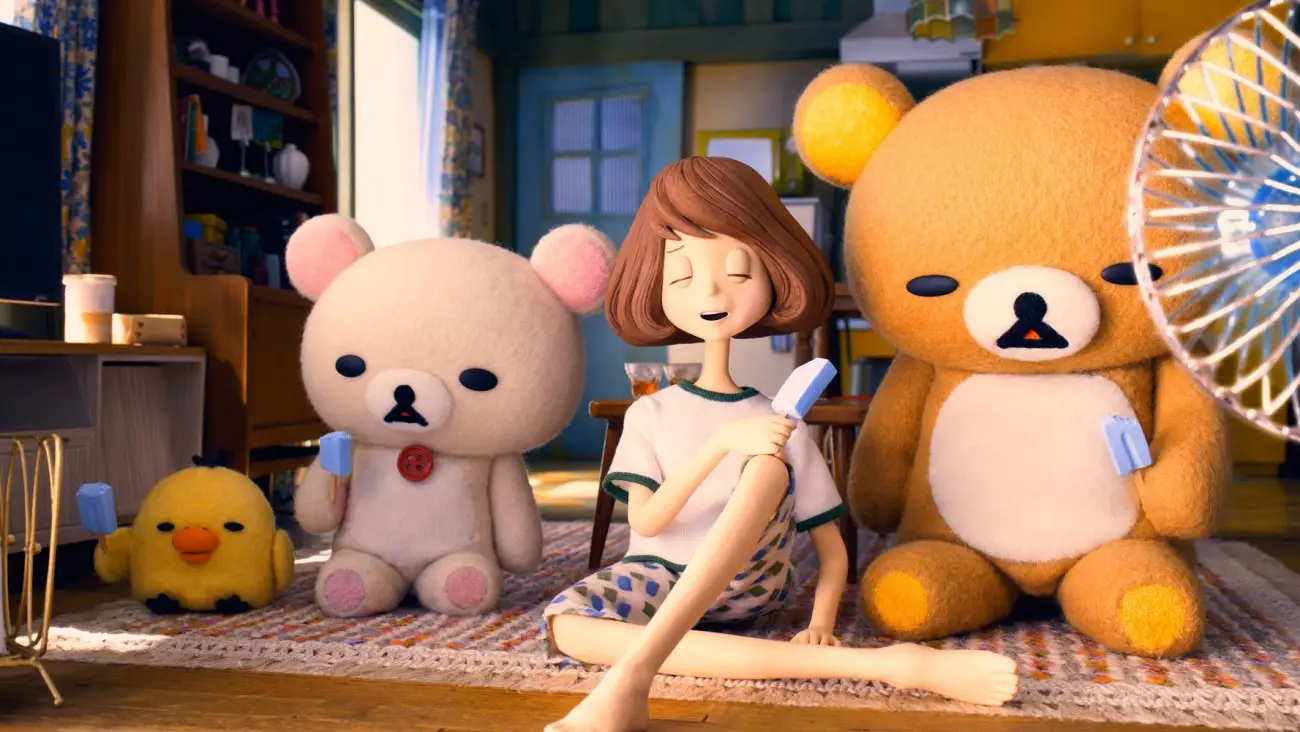
Rilakkuma is one of the most well-known characters in Japan, famous for his calm and lazy personality. In "Rilakkuma and Kaoru," we follow the bear and his friends living everyday situations alongside Kaoru, a young adult facing the common difficulties of life.
What sets this series apart is its stop-motion animation, which gives the scenes a particular charm and a much slower pace. The soundtrack is soft, and the episodes address friendship, coexistence, and respect in a subtle and pleasant way, with nothing loud or flashy.
Sumikko Gurashi
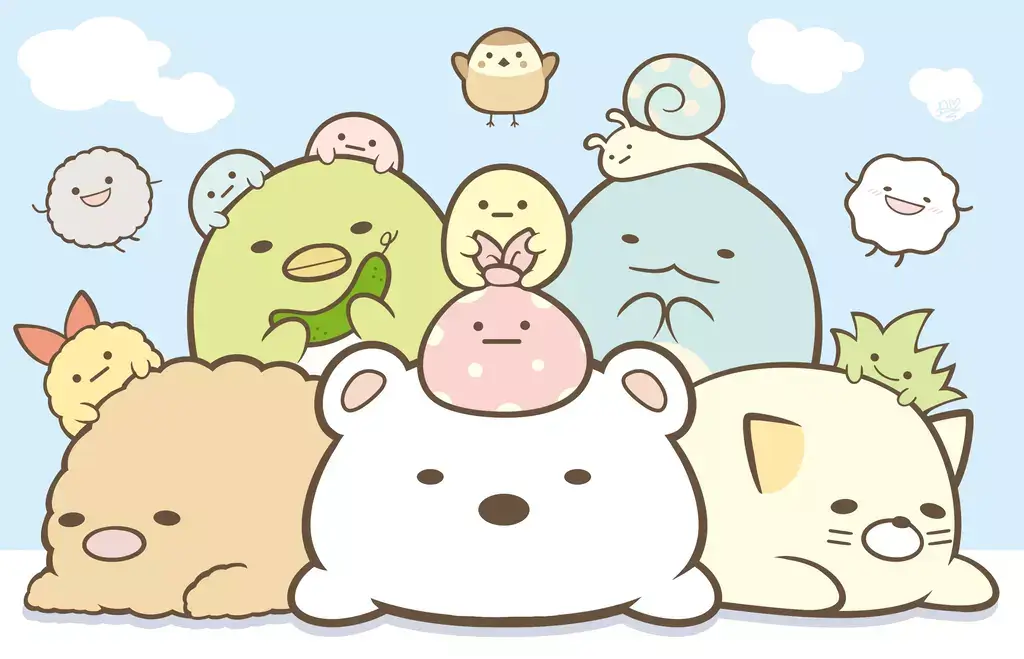
The characters of "Sumikko Gurashi" are loved by those who enjoy calm and cute stories. Each of them represents some aspect of shyness or the desire to stay in the corner, creating a welcoming atmosphere for more introspective children.
The 2019 film sends these characters on a light adventure, without exaggerated action or intense noises. It conveys values such as acceptance and friendship, with a calm pace and soft visuals that suit children in this age group.
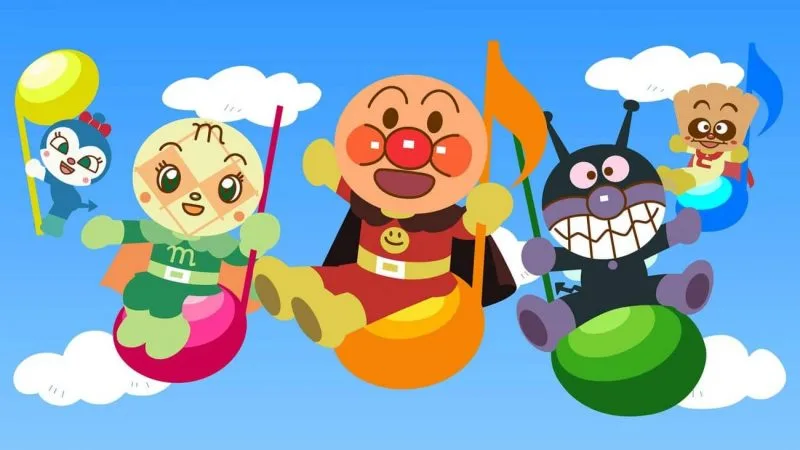
Anpanman (それいけ!アンパンマン)
Anpanman is a true icon in Japan when it comes to children's content. He is a superhero made of bread filled with anko (sweet bean paste), who helps those in need and faces not-so-scary villains with good humor.
Despite the superhero theme, the stories are extremely simple, focusing on teaching positive values such as generosity and teamwork. The colors are bright but not exaggerated, and the episodes follow a comfortable pace for small children.
Anime for children aged 7 to 10
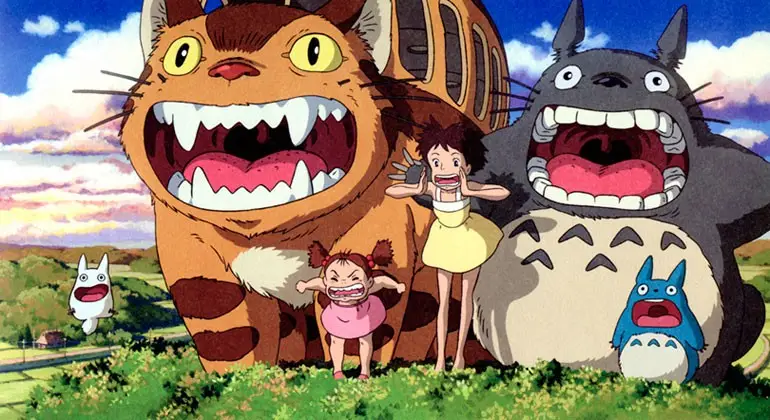
My Neighbor Totoro (Tonari no Totoro)
"My Neighbor Totoro," from Studio Ghibli, is one of the most beloved and recommended films for children in this age group. The story follows two sisters who move to the Japanese countryside and discover magical beings, like the iconic Totoro, surrounded by nature.
The film is a celebration of childhood and imagination, with a calm narrative, tranquil landscapes, and a soft soundtrack. It tells a warm story about family, friendship, and the beauty of small things, with no scary villains and no fast-paced scenes.
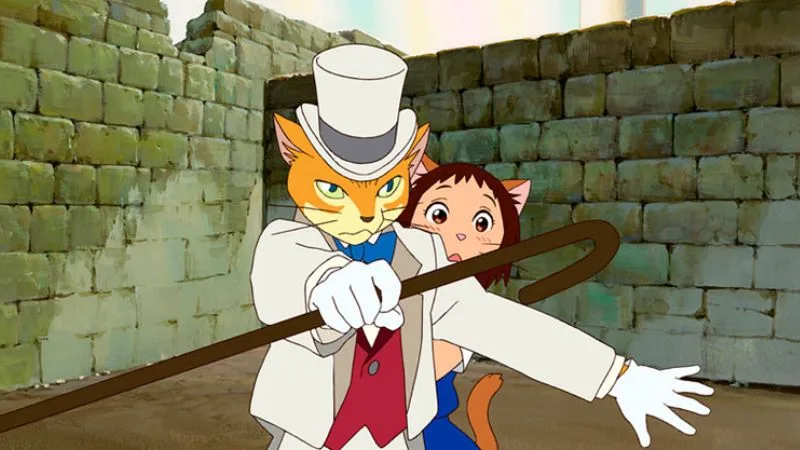
Neko no Ongaeshi (The Cat Returns)
This film tells the story of Haru, a girl who saves a cat and ends up being invited to the Cat Kingdom, where unusual things happen. Despite the touch of fantasy, the film's pace is light, with contemplative moments and a very pleasant aesthetic.
Children can easily follow Haru's journey without encountering excessively fast or scary scenes. The visuals are characteristic of Studio Ghibli: colorful but balanced, ideal for children who already appreciate slightly more elaborate stories.
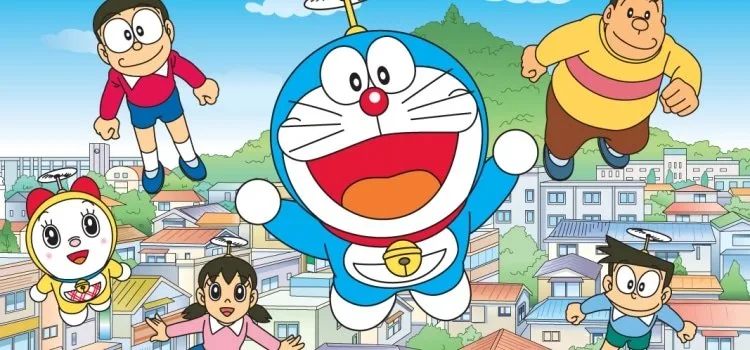
Doraemon
The classic Doraemon is a robot cat from the future who helps Nobita, a boy facing small difficulties in his school and family life. With the help of futuristic gadgets, they get involved in funny and educational situations.
The series has been famous in Japan for decades because it entertains without relying on excessive stimuli. The stories are easy to understand, have a touch of light humor, and always leave a lesson about friendship, honesty, or responsibility.
Benefits of low-stimulation anime for child development
Beyond being relaxing, these titles offer other benefits for children:
- Stimulate observation and patience;
- Promote empathy through kind characters;
- Convey positive values such as friendship and respect;
- Create a calm, comfortable visual environment;
- Reduce sensory overload.
Which title fits best depends on the child's age and temperament. Watch the first episode or scene together and notice how your child responds. These titles work especially well as a calm afternoon ritual or as a way to wind down before bed.





Community
Comments
0 comments
There are no published comments in this language yet.
Send comment