
Wagyu beef is one of the most coveted and exclusive meats in the world, famous for its unmatched tenderness, rich flavor, and high marbling content. Originating from Japan, this premium meat has a highly controlled breeding process, ensuring superior quality and a price that can exceed $1,000 per kilogram.
Many people associate Wagyu beef with Kobe Beef, but are they the same thing? In this article, we will explain the differences, explore the history of this Japanese delicacy, and understand what makes this meat so special.
Contents 19
What Does Wagyu Mean and What Makes It So Special?
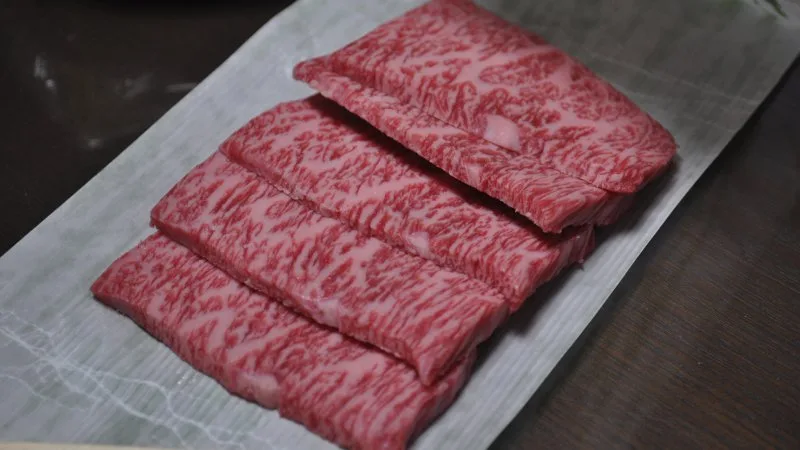
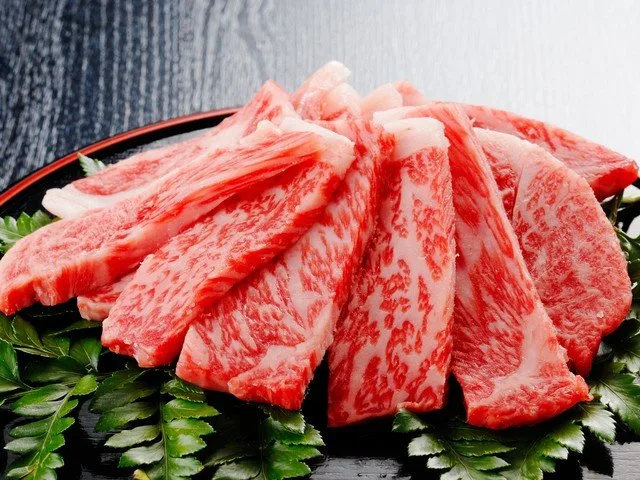
The word Wagyu (和牛) literally means "Japanese cattle," where "wa" (和) refers to something Japanese and "gyu" (牛) means cow or bull. Unlike common cattle, Wagyu has a unique genetics that favors the infiltration of fat between muscle fibers, creating the famous marbling effect that melts in your mouth.
Characteristics of Wagyu Beef
The main difference between Wagyu and other meats lies in its texture and composition:
- Exceptional marbling: the fat is evenly distributed, providing juiciness and a unique flavor.
- Unmatched tenderness: the meat is extremely tender, almost melting at the touch of the mouth.
- Unique flavor: it has a buttery and sweet taste, different from common meats.
- Healthy: it is rich in unsaturated fatty acids, such as Omega-3 and Omega-6, making it more beneficial for the heart compared to conventional meats.
Is Kobe Beef the Same as Wagyu?
Not all Wagyu beef can be called Kobe Beef. Kobe Beef is a specific type of Wagyu beef, originating from the city of Kobe, in Hyogo Prefecture, and follows strict quality and certification standards.
Differences Between Wagyu and Kobe Beef
- Origin: All Kobe Beef is Wagyu, but not all Wagyu is Kobe. To be considered Kobe Beef, the cattle must be of the Tajima-gyu breed, raised exclusively in Hyogo.
- Certification: Kobe Beef receives an authenticity seal and a tracking code that guarantees its origin.
- Extreme quality: The marbling level of Kobe Beef is among the highest in the world, with rigorous classifications.
In the West, we find quality Wagyu, but it is rarely the true Japanese Kobe Beef, as official export is quite limited.
Wagyu Classification: Categories and Quality Levels
Wagyu beef is classified by the Japan Meat Grading Association (JMGA) based on yield (A, B, or C) and quality (1 to 5). Yield indicates the utilization of the meat, while quality assesses marbling, color, texture, and shine of the fat.
The most valued cuts are A4 and A5, which represent the elite of Wagyu:
- Wagyu A4 – High level of marbling, extremely tender meat, and intense flavor, with a balance between meat and fat.
- Wagyu A5 – Maximum quality, exceptional marbling, ultra-tender texture, and fat that melts in the mouth, providing a unique buttery flavor.
Additionally, there is the BMS (Beef Marbling Standard), which measures marbling from 1 to 12. Typically, meats A4 have BMS between 6 and 8, while A5 can reach BMS 12, ensuring an unparalleled dining experience. If you are looking for the best Wagyu, opt for A5 BMS 10+, but an A4 BMS 7 or 8 already offers an extraordinary flavor at a more accessible cost.
Wagyu Breeds in Japan
Although the name Wagyu refers to "Japanese cattle," only four breeds are officially recognized as Wagyu in Japan:
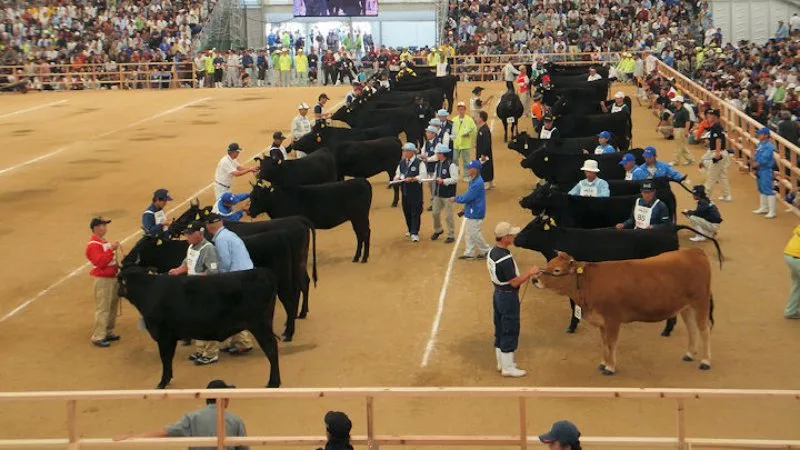
- Japanese Black (Kuroge Washu): the most common, representing 90% of Japanese Wagyu. It is famous for its high marbling content.
- Japanese Brown (Akage Washu): has less fat and a stronger flavor.
- Japanese Shorthorn (Nihon Tankaku Washu): has a more umami flavor and is less fatty.
- Japanese Polled (Mukaku Washu): the rarest, with leaner meat and firm texture.
There are also hybrid and regional breeds, such as the Mishima Cattle, a native species from the island of Mishima, extremely rare and expensive.
Other Famous Wagyu Meats
In addition to Kobe Beef, other regions of Japan produce Wagyu of the highest quality:
- Matsusaka Beef (Mie): Considered one of the most marbled meats in Japan, coming from cows fed for long periods.
- Omi Beef (Shiga): One of the oldest Wagyu meats, known for its sweeter flavor.
- Yonezawa Beef (Yamagata): Produced in the city of Yonezawa, it has a perfect balance between fat and meat.
These meats are sold at extremely high prices and are often limited to a few specialized restaurants.
How is Wagyu Raised?
The raising of Wagyu follows a meticulous process. From birth to slaughter, the bulls receive special treatment to ensure maximum meat quality.
Myths and Truths About the Treatment of Bulls
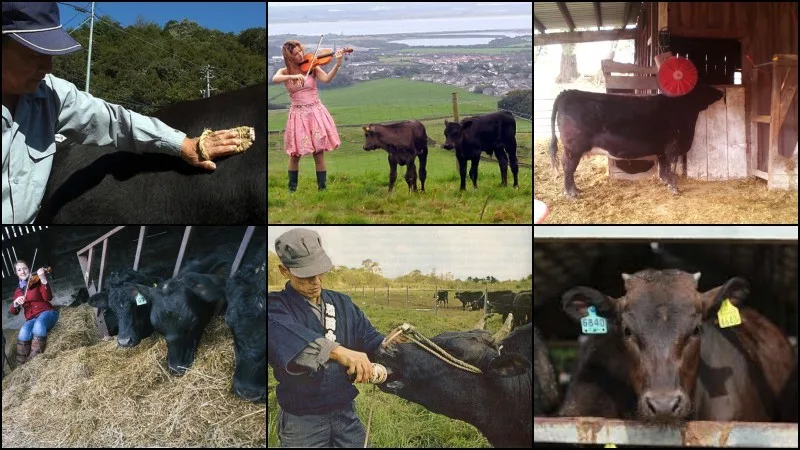
Many stories surround the raising of Wagyu, including the use of massages, classical music, and even beer in their diet. However, not all are true.
- Truth: The diet is highly controlled, based on a grain and fiber-rich diet to stimulate marbling.
- Truth: Each animal has adequate space to minimize stress, which impacts meat quality.
- Myth: The bulls receive daily massages to improve the meat. This is an exaggerated concept; the practice was occasionally used for relaxation.
- Myth: Giving beer to the bull improves the flavor of the meat. This has been done on some farms, but without significant scientific evidence.
Videos About Wagyu
Watch some videos showcasing this delicious meat:
How to Buy and Eat Wagyu?
If you want to experience Wagyu beef and enjoy all its quality and unmatched flavor, there are several ways to acquire it and taste it in the best possible way. However, it is important to know where to buy to ensure you are getting an authentic and high-quality product.
Specialized Japanese Restaurants
One of the best ways to savor Wagyu is in specialized Japanese restaurants, which know exactly how to prepare and serve this premium meat. In Japan, it is common to find Wagyu in yakiniku (Japanese barbecue), where customers grill the meat at the table, allowing each person to control the ideal doneness of the cut.
Another popular option is shabu-shabu, a dish where thin slices of Wagyu are quickly dipped in a hot broth and consumed almost instantly. This method preserves the tenderness and unique flavor of the meat, as well as providing a sophisticated dining experience. In high-end restaurants, Wagyu can also be found in dishes such as sukiyaki, steaks and even in sushi and sashimi, when served raw.
Buying Imported Wagyu
For those who wish to prepare Wagyu at home, the option of importation is a viable alternative. Some specialized stores and high-end butcher shops offer authentic cuts imported directly from Japan. However, it is essential to verify the origin of the meat and the certification of the source, as counterfeit or lower-quality Wagyu cuts may be sold as if they were authentic.
Imported cuts usually come with a traceability certificate, informing the origin of the animal, the breeding farm, the level of marbling, and other important characteristics. This ensures that the consumer is acquiring a legitimate and high-quality product.
Wagyu Produced in the West
Although true Japanese Wagyu is highly controlled and certified, Brazil and other Western countries have farms that raise Wagyu cattle. These farms have genetically imported the Japanese breeds and use similar breeding methods to ensure high-quality meat.
The Brazilian Wagyu does not receive official certification from Japan, but it is still premium meat, with excellent marbling and sophisticated flavor. Prices, compared to the imported product, tend to be more accessible, making it a great option for those who want to try this meat without spending exorbitant amounts.
Regardless of where you buy, whether imported or domestic, the important thing is to know how to prepare and make the most of this unique meat.
Tips for Preparing Wagyu
To make the most of this incredible meat, follow some tips:
- Don't over-season: Just coarse salt enhances the natural flavor of the meat.
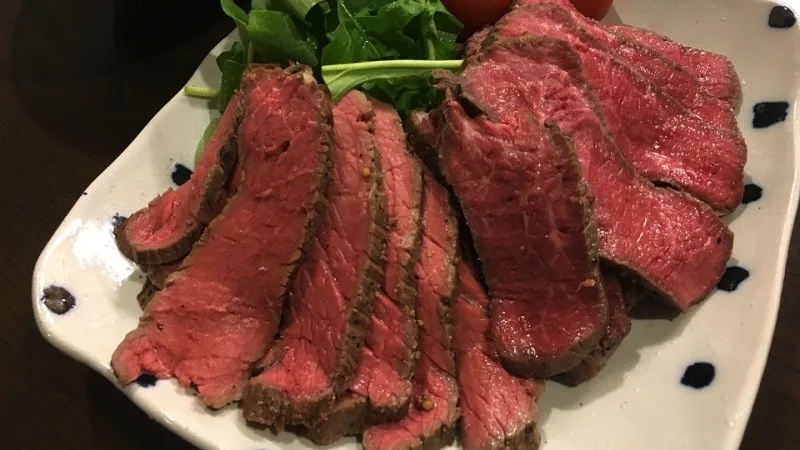
- Avoid overcooking: Wagyu should be served rare or medium to maintain its juiciness.
- Use medium-high heat: This helps melt the fat and caramelize the surface of the meat.
Places to Try Wagyu in Japan
If you want to taste Wagyu, there are options for both those seeking an accessible experience and those looking for something more sophisticated. In Japan and other countries, there are restaurants offering everything from small, affordable portions to complete menus of premium Wagyu. Check out some recommendations!
Where to Eat Cheap Wagyu 💰
You don't always have to spend a fortune to try Wagyu. Some affordable options include:
- Yakiniku Restaurants (Japanese Barbecue) – In Japan, chains like Gyukaku and Yakiniku Like offer Wagyu cuts at more affordable prices. You can grill the meat at the table and enjoy small portions without spending much.
- Convenience Stores and Supermarkets – Some Japanese chains, such as 7-Eleven, FamilyMart, and Don Quijote, sell snacks and ready-made dishes with Wagyu at affordable prices. It's not the same as a premium cut, but it gives you an idea of the flavor.
- Public Markets and Food Courts – Places like Tsukiji Outer Market (Tokyo) and Kuromon Ichiba Market (Osaka) sell skewers and sandwiches of Wagyu prepared on the spot, for much lower prices than in upscale restaurants.
- Fast Food in Japan – Some fast food chains, like Dom Dom Burger, occasionally launch Wagyu burgers at affordable prices. It's worth keeping an eye on promotions.
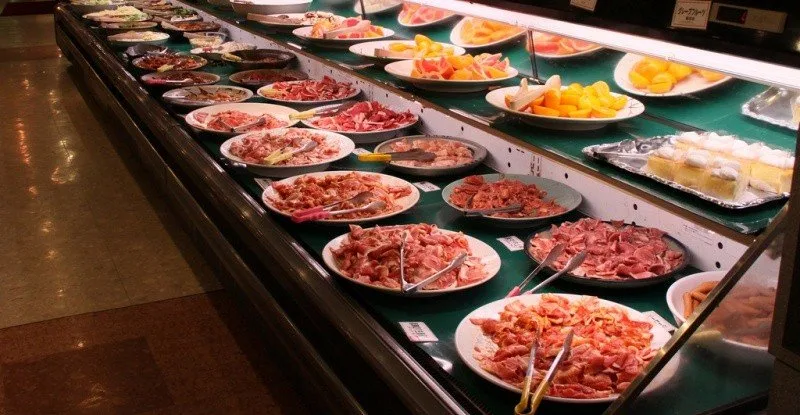
- Meat Buffets in Japan – Some "all you can eat" steakhouses, like Tabehoudai Yakiniku, offer Wagyu as part of the menu, allowing you to eat as much as you want for a fixed price.
Where to Eat Premium Wagyu 🥩✨
If you want to have the complete experience of a high-level Wagyu, here are some of the best options:
- Certified Kobe Beef Restaurants – If you want to try the real Kobe Beef, look for restaurants certified by the Kobe Beef Marketing & Distribution Promotion Association. Good examples are Kobe Beef Steak Restaurant Mouriya (Kobe) and Steakland Kobe.
- Teppanyaki Restaurants – Places like Ginza Ukai-Tei (Tokyo) serve Wagyu prepared on a hot plate in front of the customer, providing a luxurious and exclusive experience.
- Kaiseki Restaurants – If you want a refined experience, restaurants specializing in kaiseki ryori (high Japanese cuisine) offer menus with Wagyu in various preparations, such as at Kitcho Arashiyama (Kyoto).
- High-End Sushi Restaurants – Some premium sushi houses serve Wagyu Sushi, where slices of meat are lightly flamed over sushi rice. Restaurants like Sukiyabashi Jiro (Tokyo) may offer this unique experience.
Whether opting for a cheap Wagyu skewer at a street market or a sophisticated dinner at a luxury restaurant, this meat always provides a unique dining experience.
Conclusion
Wagyu beef is not just meat, but a true culinary experience. Its unique texture, impressive marbling, and unforgettable flavor make it one of the most coveted delicacies in the world.
If you have the opportunity, try this delight at a Japanese restaurant or, who knows, prepare a Wagyu at home! It's worth every penny for the experience.



Community
Comments
0 comments
There are no published comments in this language yet.
Send comment