
The legend of Buddha and Kandatta and the Spider's Thread is a profound Buddhist tale that reflects on redemption, morality, and the importance of small acts of kindness. This story was immortalized by the famous Japanese author Ryūnosuke Akutagawa in his work "The Spider's Thread" (蜘蛛の糸, Kumo no Ito). The tale speaks about the opportunity for salvation given to Kandatta, a criminal who, through a small act of kindness, had a chance to escape hell.
Contents 10
Origin and Meaning
In Buddhism, stories like that of Kandatta are used to teach about karma, compassion, and salvation. Kandatta, although known for his cruelty and crimes, at one point in his life chose to spare the life of a spider.
This small kindness did not go unnoticed by Buddha. The story revolves around the concept that even a single good act can somehow lead to salvation, but it is the continuous character and subsequent decisions of a person that determine their final destiny.
The Story
Buddha, observing the world from the heavens, sees Kandatta suffering in hell due to his bad actions in life. However, he remembers the occasion when Kandatta spared the life of a spider. As a result, Buddha decides to give Kandatta an opportunity for redemption by sending a spider's thread from heaven to hell so that Kandatta could climb it and reach salvation.
When Kandatta spots the spider's thread, he desperately grabs it and begins to climb. However, he realizes that other condemned souls also start to climb the same thread. In a selfish act, he shouts for everyone to stop, fearing that the thread would not support the weight of all. The moment he expresses this selfish thought, the thread breaks, and Kandatta falls back into hell, condemned by his own selfish nature.

The Moral of the Story
The legend of Buddha and Kandatta is a parable that explores themes of redemption and compassion, emphasizing that small acts of kindness can offer opportunities for salvation. However, it also shows that selfishness and attachment to past failures can destroy these opportunities. The tale reflects the Buddhist understanding that karma is not just about isolated actions, but about a person's continuous behavior throughout their life.
References and Influences in Popular Culture
The theme of the "Spider's Thread," originating from the Buddhist legend, appears in various other works of popular culture, especially in games, anime, and manga. Below are some of these works:
References in Anime
The legend of the Spider's Thread is directly referenced in several anime. In episode 9 of Jigoku Shoujo (Hell Girl), the story of Kandatta is mentioned during a plot of redemption and karma. In Sayonara, Zetsubou-Sensei, the protagonist Nozomu Itoshiki makes an ironic reference to the legend.
In episode 16 of Neon Genesis Evangelion, Shinji compares his situation to that of Kandatta while trying to escape an AT field. In Ghost in the Shell: Stand Alone Complex, in episode 15, the legend is cited during a discussion about morality.
Additionally, the legend is directly portrayed in the 1979 animated film Kumo no Ito, and in the series Aoi Bungaku, which adapts the original tale by Ryūnosuke Akutagawa in one of its episodes.

Zelda: Skyward Sword and the Spider's Thread Dungeon
In the game The Legend of Zelda: Skyward Sword, one of the most notable dungeons that references the Spider's Thread legend is the Ancient Cistern, known for its complexity and design full of symbolism. This dungeon is a clear allusion to the story of Buddha and Kandatta, mainly due to the structure divided between two worlds: a beautiful temple above the surface and a lower region reminiscent of hell.
The upper part of the dungeon with a Buddha head at the center represents paradise, with its clear waters and serene environment, while the lower part resembles the underworld, with dark and dangerous areas filled with enemies, such as zombies called "Cursed Bokoblins," who try to drag Link back. This contrast reflects the heaven/hell duality present in the legend.

Other References in Media and Games
The legend also appears in other forms of entertainment. Many Japanese RPG games, such as Shin Megami Tensei, make allusions to karma and salvation through small acts of kindness or evil. The idea of a thread connecting heaven to hell is a symbol that frequently appears in puzzles, tests, and moral challenges in games.
Curiosities About the Legend
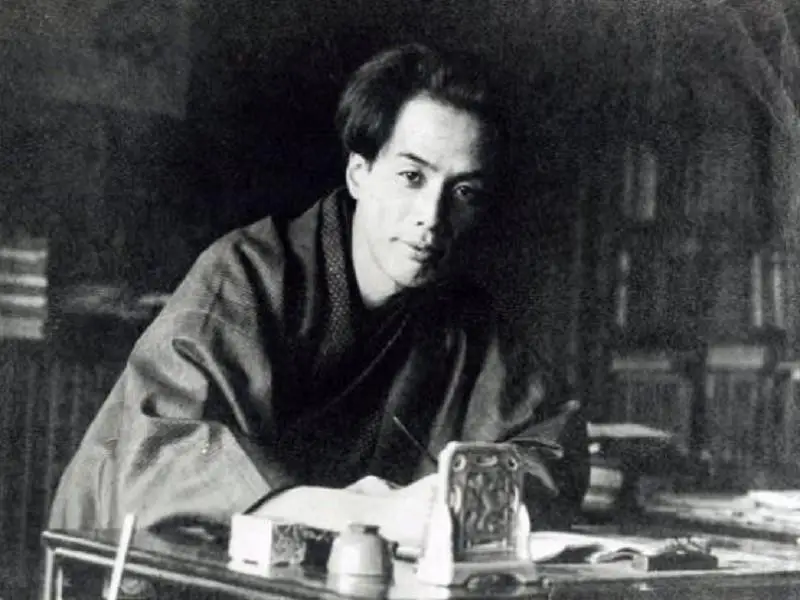
- Ryūnosuke Akutagawa: The Japanese author who popularized the legend in his work "The Spider's Thread" is one of the most renowned writers in Japan. He is known for creating stories based on deep moral themes, mixing folklore and Buddhist teachings with literary narrative.
- Symbol of the Spider's Thread: In Japan, the spider's thread has become a symbol of fragility, but also of hope. It represents the tenuous connection between good and evil, between salvation and condemnation.
- Buddhist Teachings: The story is used in many temples and Buddhist teachings as a metaphor for karma and the transient nature of life. It is a way to teach about the importance of every decision we make, even the smallest ones.
- Comparison with Other Legends: Many cultures have similar legends involving opportunities for salvation or redemption based on small acts of kindness. The legend of Kandatta reflects this universality of moral stories.
Highlights of the Legend
- Redemption through Kindness: Even a small action, such as sparing a life, can have positive repercussions in the future, but selfishness can nullify good actions.
- Fragility of Salvation: The spider's thread symbolizes the fragility of the opportunity for redemption, showing that it is easy to destroy something so delicate through selfish actions.
- Buddhist Influence: Karma and the transience of life are central themes in the legend, highlighting the importance of how each person chooses to live.
Conclusion
The legend of Buddha and Kandatta and the Spider's Thread is a story rich in symbolism and moral teachings, offering lessons on karma, compassion, and the impact of small actions on the journey to redemption. Its influences can be seen in various forms of media, from classic literature to modern video games, showing how this story resonates with humanity over time. The message is clear: while a small kindness can open doors to salvation, selfishness is the true prison that prevents us from achieving liberation.






Community
Comments
0 comments
There are no published comments in this language yet.
Send comment