
Ponzu sauce is a typical condiment of Japanese cuisine, based on the citrus juice of fruits like lemon, lime, and yuzu, combined with soy sauce and other ingredients that vary according to the region and the personal taste of the chef.
In addition to being a tasty seasoning for dishes like sushi, sashimi, and tempura, Ponzu also brings health benefits, thanks to its antioxidant and antibacterial properties. Now that we know a little more about what Ponzu sauce is, how about learning to prepare a delicious recipe?
We also recommend reading:
Contents 8
History and Origin of Ponzu Sauce
Ponzu sauce is a very popular condiment in Japan made with a mixture of mirin, rice vinegar, soy sauce, and citrus juice, such as orange and lemon. The name "ponzu" comes from "pon zu," which means "sour point" in Japanese. It is believed that ponzu sauce was created in the city of Kochi, located on the island of Shikoku, during the Edo period in Japan. Traditionally, it was used as a sauce for grilled seafood, but nowadays it can be found in various dishes, such as salads, meats, and noodles.
The recipe for ponzu sauce can vary depending on the region or the chef, but generally, the main ingredients are the same. Mirin is a type of sweet rice wine and is used to add a sweet and sour flavor to the sauce. Rice vinegar adds acidity and helps balance the flavor of the sauce. Soy sauce is a salty sauce that provides depth to the flavor. Finally, citrus juice adds a fresh and citrusy touch, which is characteristic of ponzu sauce.
Ponzu sauce has become popular worldwide thanks to Japanese cuisine, which has become a trend in many Western countries. Being a versatile sauce, it has become a staple ingredient in many professional and home kitchens. With a unique combination of flavors, ponzu sauce is an excellent option for those looking for a tasty and easy-to-prepare sauce for their favorite dishes.
Curiosities about Ponzu Sauce
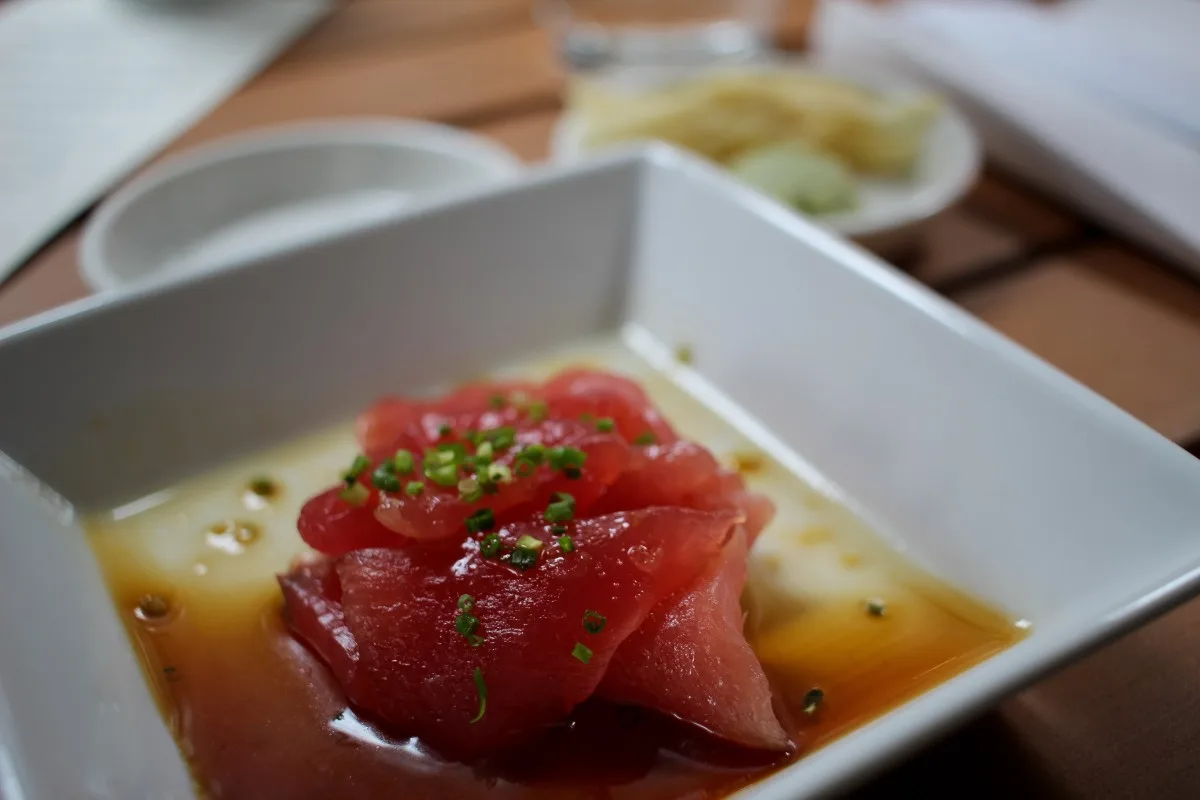
Of course, some curiosities about ponzu sauce include the fact that it is a versatile sauce that can be used as a salad dressing, barbecue sauce, a marinade for meats, or as a sauce for sushi.
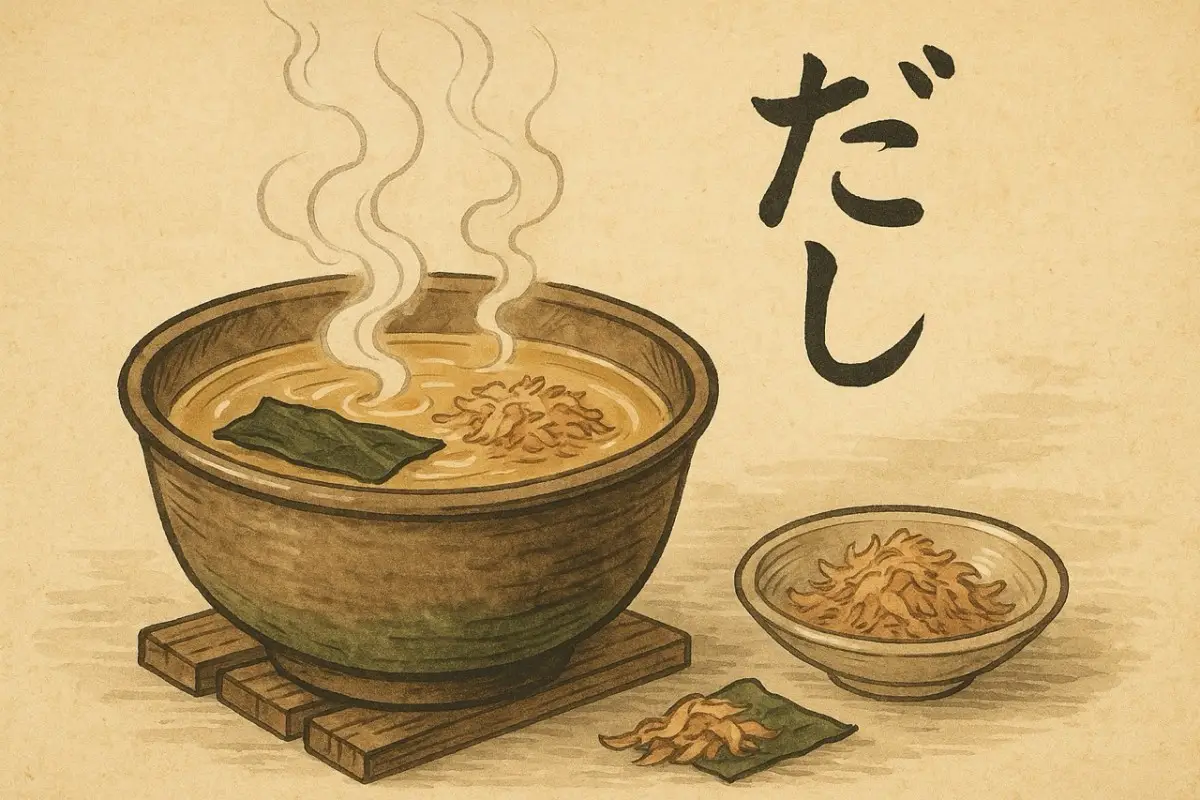
It is traditionally made with lemon juice, tamari (wheat-free soy sauce), and rice vinegar. However, many modern variations also include dashi (Japanese broth), mirin (sweet rice wine), and katsuobushi (dried bonito flakes).
There is also a gluten-free version of ponzu for those with dietary restrictions. Ponzu sauce is known for having a balanced flavor between sour and sweet and for being slightly spicy due to the inclusion of pepper. It is often served with Asian foods, such as sashimi or shrimp tempura, and is a popular sauce in Japanese restaurants.
In some places in Japan, people use diluted ponzu sauce with hot water as a healthy warm drink due to the beneficial nutrients of lemon juice and pepper.
It is believed that ponzu sauce has cleansing and strengthening properties due to its combination of acidic ingredients and bold flavors. In summary, ponzu sauce is a versatile and tasty sauce that has been used in various culinary applications.
Ponzu Sauce Recipe
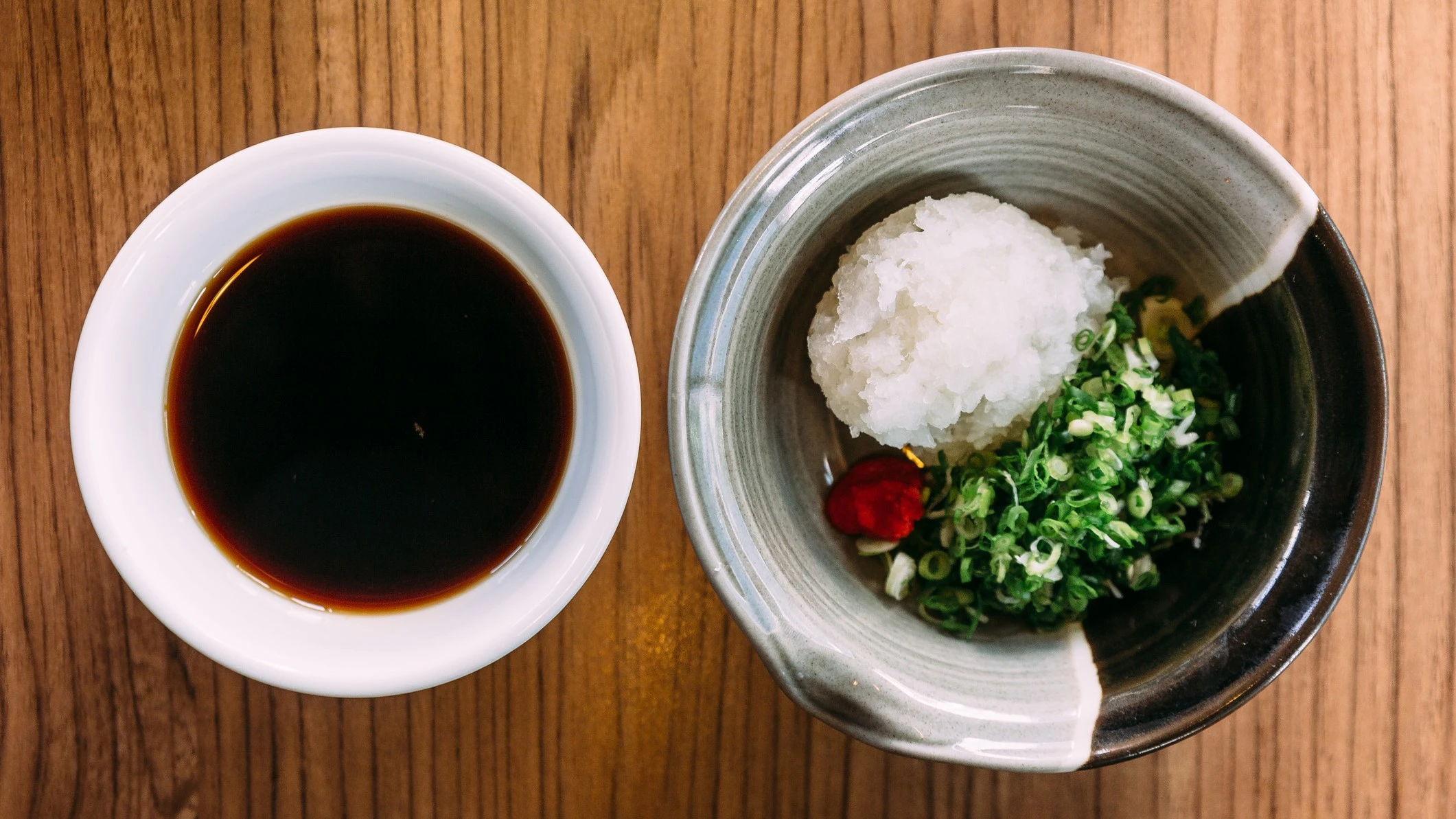
For those looking for a straightforward and concise ponzu sauce recipe, here is my tested and approved recipe for a deliciously tangy sauce.
In a medium bowl, mix:
- ½ cup of soy sauce,
- ¼ cup of fresh lemon juice,
- 2 tablespoons of rice vinegar,
- 2 tablespoons of mirin, and
- 1 tablespoon of maple syrup.
Mix all the ingredients well. If you prefer a less acidic sauce, add a little more maple syrup.
Next, add:
- 1 clove of finely chopped garlic
- 1 tablespoon of grated ginger (use a microplane grater for best results).
Finally, add a pinch of red pepper flakes for a bit of heat and mix all the ingredients well.
This ponzu sauce is guaranteed to be a hit with grilled meats, seafood, or vegetables. Serve it as a dipping sauce or a marinade and enjoy its savory and tangy flavor.
Once prepared, store it in the refrigerator in an airtight container for later use. So there you have it, an easy ponzu sauce recipe that will be a perfect complement to your next meal.
Questions and Answers about Ponzu Sauce
2. Where can I find ponzu sauce?
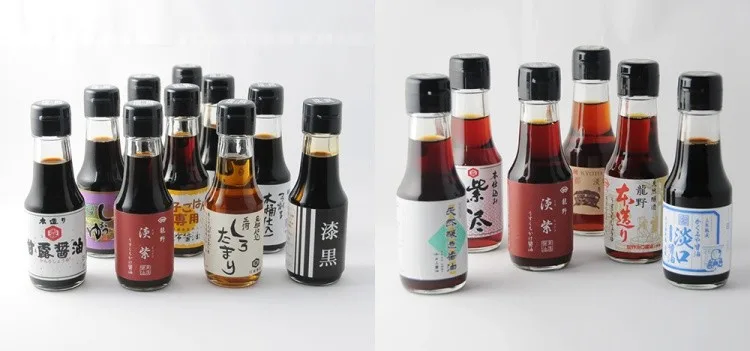
Ponzu sauce is available in many supermarkets and specialty food stores. You can also find recipes online and make your own sauce at home.
3. What does ponzu sauce taste like?
Ponzu sauce has a balanced flavor between salty, sour, and sweet. It also has a touch of umami due to the soy sauce in its composition.
4. How should I use ponzu sauce?
Ponzu sauce can be used as a dressing for salads, marinades for meats and fish, sauce for sautéing vegetables, and even in cocktails. It is an excellent option for adding citrus flavor to traditional recipes.
5. What is the difference between ponzu sauce and soy sauce?
While soy sauce is primarily made from fermented soybeans, ponzu sauce is a mixture of citrus juice, rice vinegar, soy sauce, and sugar. Ponzu sauce has a more complex and acidic flavor, while soy sauce is saltier and earthier.




Community
Comments
0 comments
There are no published comments in this language yet.
Send comment