K-pop has conquered the world not only for its innovative sound but also for the strength of its dances. The choreographies are a vital part of each group’s identity, drawing attention for their creativity, synchronization, and high technical level. Below, get to know the main types of choreographies in K-pop and why they have become a global reference in performance.

Formation Dance

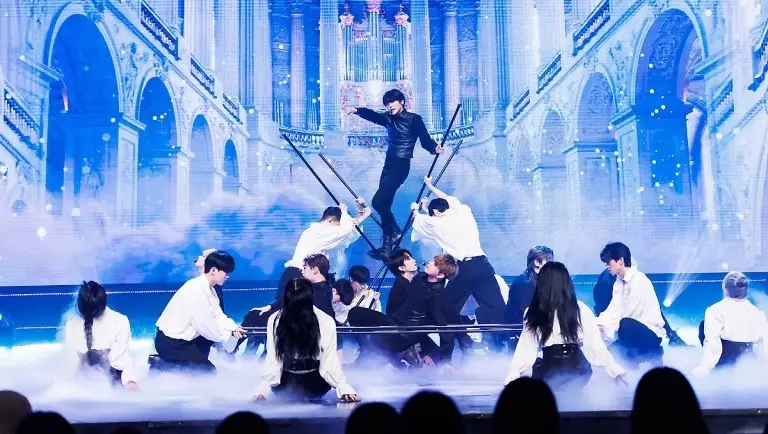
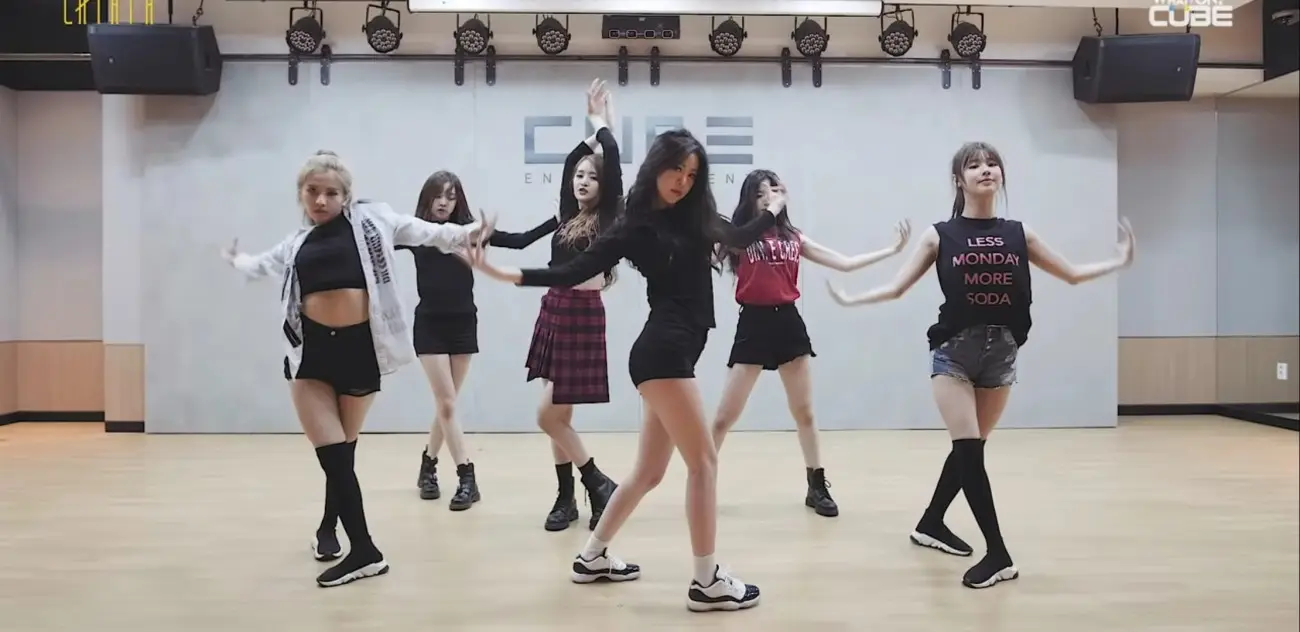
The formation dance is one of the trademarks of K-pop. In it, the members constantly change positions on stage, forming lines, circles, diagonals, and other impressive visual figures. Each change in formation is planned to create visual impact, maintain the dynamics of the presentation, and highlight different members at key moments.

This type of choreography requires discipline and a lot of practice, as success depends on all members moving with millimeter precision. Groups like SHINee, with “Sherlock,” and BTS, in “DNA,” are classic examples: the dance comes to life with impeccable transitions that fit with the beat of the music, making the performance unforgettable. A well-crafted formation also helps the audience identify who is in the spotlight in each part of the song, facilitating the connection between artist and fans.

Mirror Dance

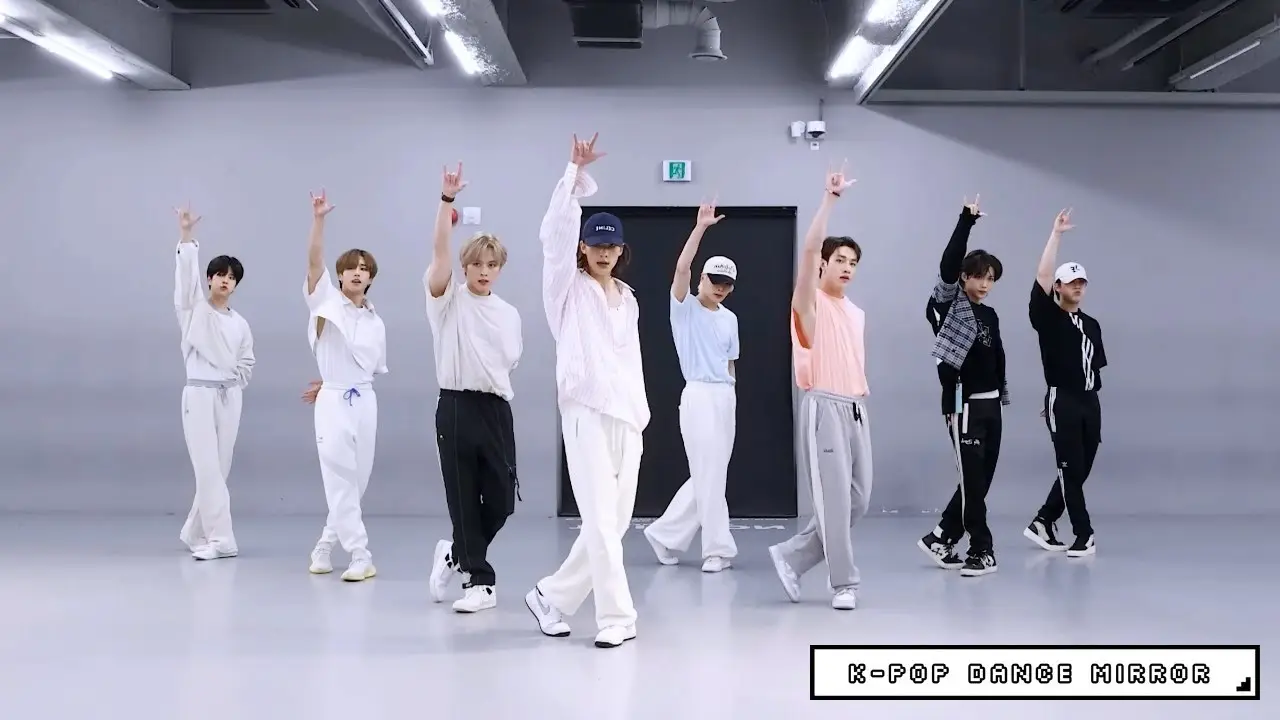
In the mirror style, all members perform identical and synchronized movements, as if they were each other’s reflection. This uniformity impresses not only for its visual beauty but also for the demonstration of technique and dedication in training. The more synchronized they are, the greater the impact for the audience.

This type of choreography commonly appears in the chorus or main parts of the song, creating a hypnotizing effect. BIGBANG in “Bang Bang Bang” and ITZY with “Dalla Dalla” are references for the use of this technique. Many groups also release “mirror dance” videos to challenge fans and even encourage viral challenges on social media, showing how crucial synchronization is for the success of a K-pop performance.

Pairing/Unit Dance

The pairing dance divides the group into pairs or small subgroups, known as units, to perform movements together or interactively. This adds variety to the presentation, allows for individual skills to be highlighted, and creates moments of greater closeness between the members on stage. The duos can alternate between synchronized and complementary movements, forming figures or telling a small story within the song.

A great example is “Don’t Wanna Cry” by SEVENTEEN, where units swap positions and create new dynamics with each part of the song. This format is also used in songs with rap parts or distinct vocals, to give more emphasis to each member’s talents. Additionally, the units allow the audience to get to know different combinations and interactions within the group, keeping the performance interesting and unpredictable.

Urban Dance Style

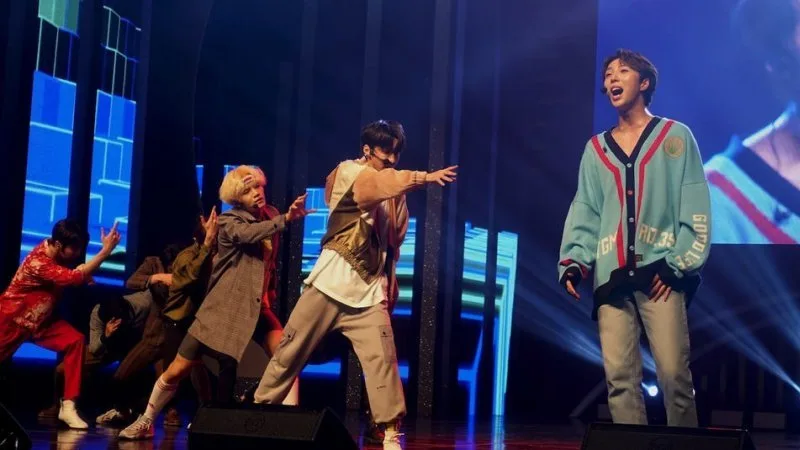
The influence of urban dance is increasingly strong in K-pop. Styles like hip-hop, popping, locking, krump, and breakdance are incorporated to make the performance more energetic and modern. Urban choreography often features fast steps, sharp movements, and a lot of bodily expressiveness, creating a striking contrast with softer parts of the music.

Stray Kids in “God’s Menu” and BTS in “Fire” showcase intense movements, mixing strength and precision with elements of street dance. The use of urban dance allows groups to experiment with different styles, convey more personality, and even create a unique identity for each comeback. Many idols even train with internationally renowned choreographers to ensure authentic and innovative performances.

Props Dance

The use of props in choreographies adds an extra layer of difficulty and creativity. Items like chairs, scarves, hats, canes, fans, or umbrellas are incorporated into the movements, transforming the stage into a true visual spectacle. The manipulation of props requires a lot of coordination, as any slip can compromise the entire performance.

Groups like f(x), in “Rum Pum Pum Pum” (with drums), and TWICE, in “Likey” (with fake cameras), are examples of this style. Besides enhancing the presentation, the use of props tends to go viral quickly, as fans enjoy replicating the movements with the same objects. Well-used props help to fix the song in the audience’s memory and differentiate one comeback from other releases.

Contemporary Dance

Contemporary dance appears in K-pop mainly in more emotional or conceptual songs. With fluid, artistic, and expressive movements, this style seeks to convey deep feelings and connect emotionally with the audience. Generally, there is greater freedom of movement, use of the floor, and emphasis on bodily interpretation.

Taemin (SHINee), in “Move,” is one of the greatest representatives of this style, mixing sensuality, softness, and technique. LOONA, in “Butterfly,” also explores contemporary dance to convey lightness and poetry. This type of choreography showcases the versatility of idols and highlights the artistic side of dance in K-pop, going beyond traditional synchronized steps.

Point Dance

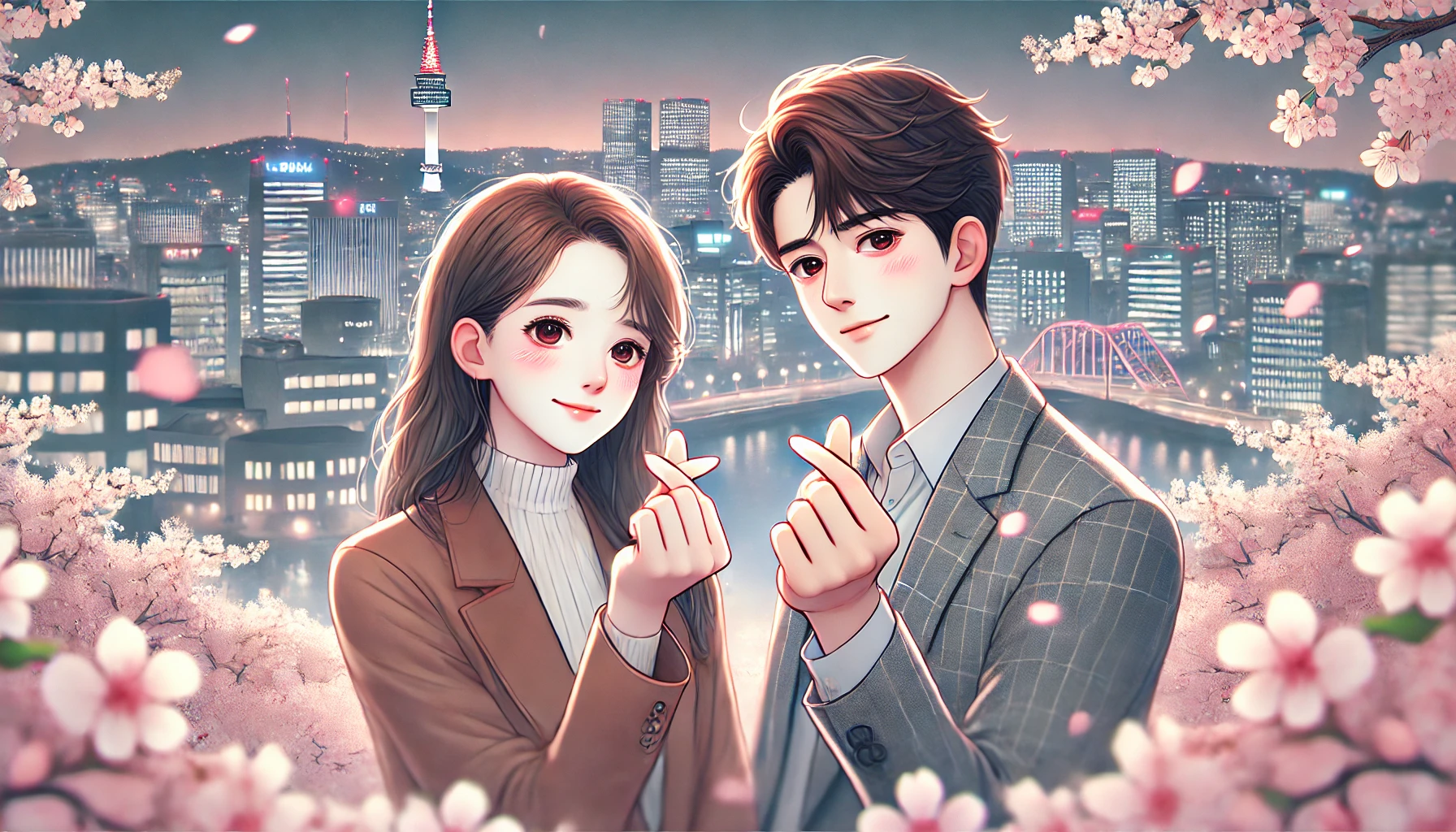
The “point dance” is the main step or gesture of the choreography, the one that everyone recognizes and can imitate, even those who are not fans. Simple or elaborate, it is designed to go viral on social media and help promote the song. Often, this movement becomes a trademark of the group or the comeback.

Classic examples include the “TT” gesture with hands on the face by TWICE, the finger heart in “Gee” (Girls’ Generation), or the shooting step from “Bang Bang Bang” (BIGBANG). The success of the “point dance” lies in its visual appeal and ease of replication, serving as a gateway for new fans and helping the group reach an even larger audience.

Large Group Dance

When the group has many members, such as SEVENTEEN (13 members) or NCT (with various units), the large group dance impresses with its scale and synchronization. Mass movements, quick formation changes, wave-like visual effects, and line divisions make the presentation seem even grander.

The difficulty increases, as each member needs to know exactly where to be at each moment, without collisions or failures in synchronization. This type of choreography explores the visual potential of large groups, using the stage to the fullest and delivering memorable shows that capture the audience’s attention from start to finish.

Storytelling Dance

The storytelling dance is an approach where the choreography serves to tell a story or illustrate the lyrics of the song. Instead of focusing solely on synchronized movements or visual figures, the steps translate feelings, situations, and even fictional dialogues. This brings the audience closer to the message and allows the presentation to be understood even without understanding the language.

A good example of this type of choreography is “Spring Day” by BTS, where gestures, glances, and positions of the members help convey themes of longing and reunion. “Love Scenario” by iKON also adopts narrative elements, with steps that evoke farewells and memories. The storytelling dance requires idols not only to have technique but also expressiveness and acting ability.

- K-POP: Check out the main choreographies and how to practice them

Floor Work

Some K-pop choreographies make intensive use of the floor, with movements lying down, rolling, hand and leg supports, and smooth transitions between levels. This type of dance adds visual variety, requires physical strength and flexibility, and provides a dramatic and intense atmosphere in certain songs.

Notable examples are “Fake Love” by BTS and “Say My Name” by ATEEZ, where the members alternate between standing and being on the floor, creating dynamic and unexpected transitions. The use of the floor is more common in emotional songs or with choreography inspired by contemporary dance, giving a more performative air to the presentation.

Isolation Dance

Isolation is a technique inherited from popping and urban styles, where the dancer moves one part of the body at a time, creating robotic or segmented effects. This type of choreography highlights the idols’ body control and adds an element of surprise and impact, often synchronized with sound effects or beats of the music.

We can see this resource in “Cherry Bomb” by NCT 127 and “Monster” by EXO. The isolated movements create a striking contrast with smoother steps, making the performance more interesting and showcasing the versatility of the groups on stage.

K-Pop vs J-Pop - What are the differences? More popular?

Canon Dance

In canon choreography, each member repeats the same movement in sequence, like a progressive wave through the group. This style creates fascinating visual effects and highlights the precision of timing, as any mistake can break the visual rhythm. The canon effect is often used to intensify choruses, bridges, or song endings.

An example of this appears in “Not Today” by BTS, especially in the chorus part, and in “Move” by Taemin, during transition moments between verses. The canon is a clever staging trick that highlights synchronization and increases the impact of the show.

Free Style

Although K-pop is famous for highly rehearsed choreographies, some songs or live performances include segments of free style, where members improvise movements, interact with fans, or showcase individual dance styles. This space for freedom creates a more spontaneous connection with the audience and reveals the particular talents of each idol.

Groups like SEVENTEEN and MONSTA X often insert these moments into shows, allowing lead dancers to shine or everyone to demonstrate personality. Free style also appears in covers or special videos, stimulating creativity and renewing the repertoire of movements.

K-Pop vs J-Pop - What are the differences? More popular?

Hand Dance

Some K-pop choreographies focus on detailed and synchronized movements of the hands and arms, creating designs in the air or symbolizing words and emotions. This type of choreography often goes viral on social media for being more accessible to the public, facilitating covers and challenges.

A classic example is “TT” by TWICE, whose gesture became a worldwide sensation, and “Love Shot” by EXO, famous for the sensual hand movement. Hand dance highlights delicacy, coordination, and also the creativity of choreographers, adding charm and uniqueness to the music.

Double Center Dance

In large groups, it is common to divide the choreographic leadership between two main members in certain parts of the song. In this approach, two members stay at the center, leading mirrored or complementary steps, increasing the dynamism of the presentation. This technique also allows for variations in focus and values different talents within the group.

Songs like “How You Like That” by BLACKPINK and “Feel Special” by TWICE alternate between double centers and solos, diversifying the energy on stage. The double center dance makes performances less predictable and encourages fans to identify with more than one idol.

Kevin Henrique

Kevin Henrique

Asian culture expert with over 10 years of experience, focusing on Japan, Korea, anime, and gaming. A self-taught writer and traveler dedicated to teaching Japanese, sharing travel tips, and exploring deep, fascinating trivia.

Discover more from Suki Desu

Subscribe now to keep reading and get access to the full archive.

Continue reading