
Flowers have a deeply rooted presence in Eastern culture, transcending their merely decorative role to become vehicles of meanings and deep connections.
While in the West flowers often adorn environments as aesthetic elements, in Eastern culture, they play significant roles in various spheres of life.
In this exploration, we delve into the ways in which flowers intertwine with the culture, tradition, and spirituality of the East.
Table of Contents
Intrinsic Meanings of Flowers in Eastern Culture
In Eastern culture, flowers are a subtle and eloquent language for expressing feelings and emotions. Each flower carries a distinct meaning, conveying complex messages on various occasions. The Lily, with its delicate beauty, represents purity and innocence.
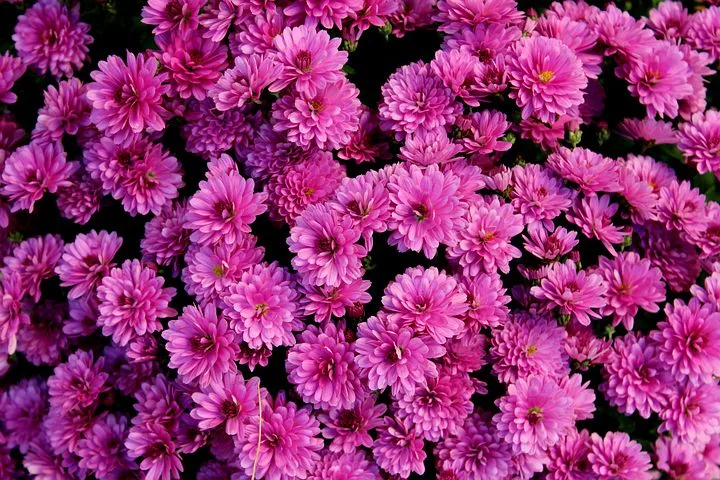
The chrysanthemum, with its elegant petals, evokes longevity and honesty. The Cherry Blossom, with its brief and stunning display, symbolizes the ephemerality of life and fleeting beauty.
We recommend reading: Hanakotoba – Meaning of flowers in Japanese

Ikebana: The Living Art of Flower Arrangement
Ikebana, originating from Japan in the 7th century, transcends mere floral arrangement to become an artistic expression. Each element of the arrangement is chosen with care, from the selection of flowers to the arrangement of leaves and branches. The result is a visual representation of harmony and balance between man and nature.
We recommend reading: Ikebana – The Japanese art of floral arrangements

Hanami: Celebrating the Ephemerality of the Cherry Blossom
One of the most emblematic festivities in Eastern culture is Hanami, a reverence for the ephemeral beauty of cherry blossoms. Taking place annually in Japan between March and April, Hanami attracts people from all over to appreciate the majesty of cherry blossoms.
Under these flowering trees, families and friends gather to share food, drink, and joy, establishing a special bond with nature and each other.
We recommend reading: Hanami Guide – Appreciating the flowers in Japan

Meanings of Colors in Asian Flowers
The colors of flowers play a vital role in Asian culture, each carrying distinct meanings. Red represents happiness and good luck, white communicates innocence and peace, while yellow is associated with friendship and respect.
We recommend reading: Iro – Color Guide in Japanese
Flowers in Medicine
Beyond their aesthetic beauty, many flowers play a crucial role in traditional Asian medicine. The Lotus Flower, for example, besides its stunning appearance, is used in Chinese medicine to treat heart problems. The Tea Flower, known for its delicate fragrance, is used to relieve headaches and insomnia, demonstrating the deep interconnection between nature and human well-being.
Floral Influence in Asian Fashion
The influence of flowers in Eastern culture is not limited to traditions and rituals, extending to fashion. Floral patterns are common in traditional Asian garments, such as kimonos and yukatas, reflecting the ongoing connection between clothing and nature. This persistent influence highlights how flowers have transcended the boundaries of the ephemeral, finding a lasting representation in fashion and style.
Flowers in Asian Life
The importance of flowers in Eastern culture goes beyond their aesthetics, playing a vital role in the expression of emotions, traditions, and human connections. Whether through elaborate floral arrangements, vibrant festivals, or influence in fashion, flowers are intrinsic to the essence of life in the East. They represent a lasting connection between people and nature, a universal language that transcends borders and cultures, forming fundamental pillars of the rich tapestry of Asian life.
Leave a Reply