
Japan has a rich variety of expressions to greet someone for the first time. Depending on the context, the degree of formality, and even the region, the way to say "Nice to meet you" can vary significantly. In this article, we will explore 30 different ways to convey this greeting in Japanese, detailing the use and feeling of each expression.
Contents 31
1. Hajimemashite (はじめまして)
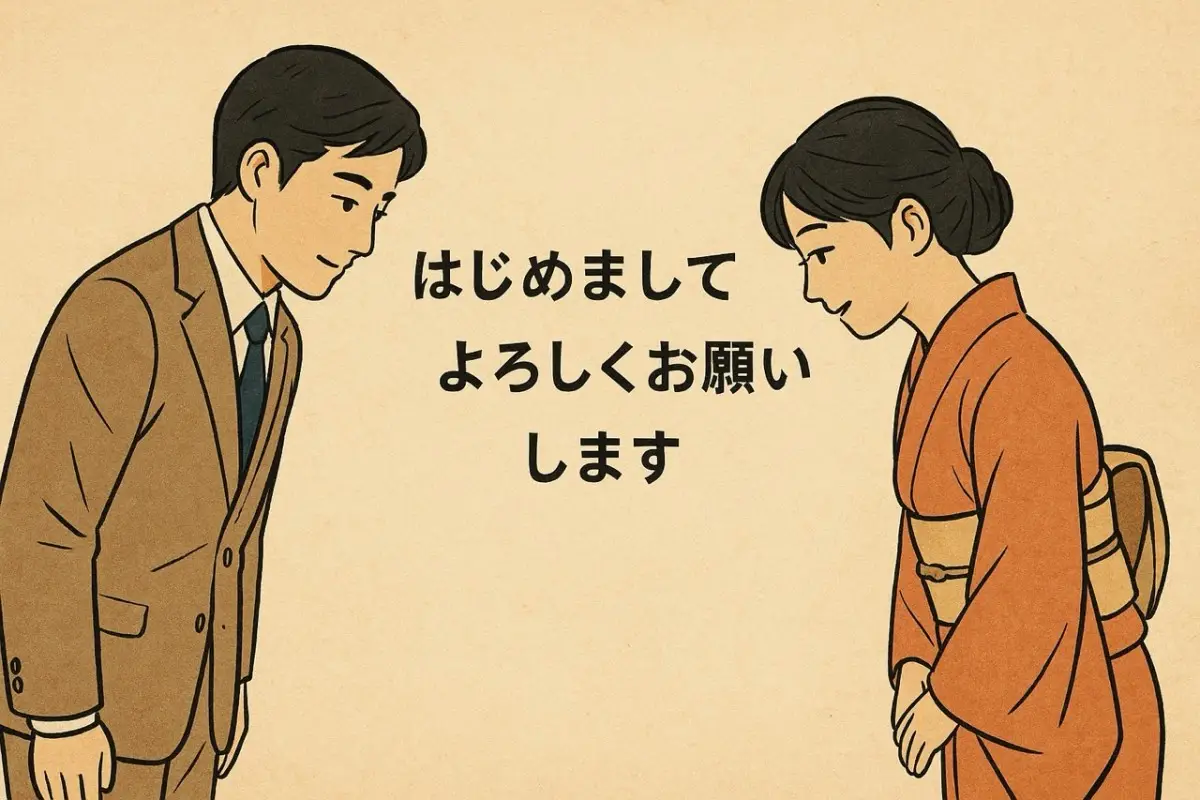
The most common and simple expression to say "Nice to meet you" is "Hajimemashite". Used mainly at the beginning of personal introductions, it literally means "This is the first time (we meet)". It is usually followed by a brief introduction, such as one’s name and place of origin. It is widely used in both formal and informal situations.
The polite tone of this expression makes it appropriate for introductions in business meetings, job interviews, and even in more casual contexts, like a conversation with friends of friends.
2. Yoroshiku Onegaishimasu (よろしくお願いします)
This expression is quite versatile and means something like "I count on your cooperation" or "Please take good care of me". When used after a "Hajimemashite", it complements the initial greeting, showing humility and respect.
Widely used in corporate environments and formal presentations, it conveys the expectation of a cordial and respectful relationship. The more casual version, "Yoroshiku", can be used with friends or in informal situations.
3. Douzo Yoroshiku (どうぞよろしく)
A variation of "Yoroshiku Onegaishimasu", this expression has a slightly lighter and friendlier tone. Mainly used when you want to make a good impression without sounding too formal, it is ideal for introductions at social events or when meeting colleagues in a relaxed manner.
It can be accompanied by a slight nod or a smile to show friendliness.
4. Kochira Koso Yoroshiku (こちらこそよろしく)
This expression means "The pleasure is mine" or "Likewise", being a response when someone says "Yoroshiku Onegaishimasu" to you. It shows reciprocity and a positive attitude towards the meeting.
It is a polite way to respond during introductions and reinforces that the feeling of satisfaction is mutual.
5. Oai Dekite Ureshii Desu (お会いできて嬉しいです)
Used to express that you are happy to meet someone, this expression is a bit warmer. It means "I am happy to meet you" and demonstrates a welcoming and positive attitude.
It is especially used in formal contexts, such as meetings or business events, and sounds more polite than a simple "Hajimemashite".
6. O-me ni Kakarete Koukedesu (お目にかかれて光栄です)
This is an extremely polite and formal expression, meaning "It is an honor to meet you". Used in professional contexts or when meeting someone of high status, such as a boss or public figure.
Demonstrating deep respect, it is appropriate for special occasions where etiquette and formality are essential.
7. Yoroshiku Tanomu (よろしく頼む)
This is a more masculine and casual version, translated as "I am counting on you". Used among friends or colleagues, it conveys trust and partnership.
It tends to appear in situations where collaboration or teamwork is expected, especially in informal environments.
8. Oaidekite Kanki Desu (お会いできて歓喜です)
More rare and poetic, this expression means "It is a joy to meet you". Used in formal speeches or ceremonial contexts, it gives a celebratory tone to the meeting.
It can be seen in official presentations or political speeches, where formality is at its highest.
9. Doumo Hajimemashite (どうもはじめまして)
A friendlier and more relaxed way to say "Nice to meet you", adding "Doumo" to give a warmer touch.
Generally used in casual introductions or when you want to soften a bit of the formality, without losing politeness.
10. Oaidekite Kangei Desu (お会いできて歓迎です)
This expression means "Welcome to my company" and is used in situations where you are receiving someone for the first time.
Used mainly when you are the host or representing a group, it shows hospitality and receptiveness.
11. Yoroshiku Onegai Moushiagemasu (よろしくお願い申し上げます)
An even more formal version of "Yoroshiku Onegaishimasu", used to reinforce respect and humility.
Ideal for presentations in highly respectful business environments, such as meetings with executives or important clients.
12. Tsukiai Yoroshiku Onegaishimasu (付き合いよろしくお願いします)
This expression is used to say "I count on your partnership". Very common among colleagues who are going to start a project together.
It demonstrates commitment and willingness to collaborate, being useful in work environments.
13. Yoroshiku Gozaimasu (よろしくございます)
An extremely polite version, used by older people or in very formal situations.
The expression is old-fashioned, but can still be heard in protocol speeches or traditional events.
14. Hajime no O-me ni Kakaru (初めのお目にかかる)
It means "It is the first time I have the pleasure of meeting you". Used for meetings where formality and tradition are important.
Very common in diplomatic environments or ceremonial events, reinforcing respect for the other.
15. Yoroshiku O-negai Itashimasu (よろしくお願い致します)
This is a super formal and extremely respectful way, used in official presentations.
It shows humility and is common in the corporate environment, especially when meeting hierarchical superiors.
16. Oaidekite Koukidesu (お会いできて光栄です)
This expression means "It is an honor to meet you" and is one of the most polite ways to introduce oneself. Used in extremely formal contexts, it demonstrates deep respect and recognition of the other person's importance.
Very common in presentations with authority figures, such as heads of state, company directors, or renowned professors. Its use reflects humility and gratitude for the meeting.
17. Oaidekite Tanoshii Desu (お会いできて楽しいです)
Translated as "It is a pleasure to meet you", this expression conveys a lighter and more positive feeling. Used when you are truly happy to meet the person, especially at social events or informal introductions.
Ideal for friendly meetings or relaxed encounters, it shows a warm and welcoming attitude.
18. Oaidekite Ureshii Desu (お会いできて嬉しいです)
It means "I am happy to meet you" and conveys a warm and welcoming tone. This expression is used in both formal and informal situations, but whenever you want to show that you are really glad for the meeting.
Good for job interviews or when meeting a colleague for the first time, as it reinforces friendliness and cordiality.
19. Hajimemashite, Douzo Yoroshiku (はじめまして、どうぞよろしく)
This expression combines two classic greetings and means "Nice to meet you, I count on your cooperation". It is a balanced way to introduce oneself, being polite without being overly formal.
It is quite common in corporate environments and social situations, as it expresses good intentions and cordiality.
20. Yoroshiku Tanomu Ze (よろしく頼むぜ)
An informal and masculine version, used among close friends or team colleagues. It means "I am counting on you", conveying a sense of trust and partnership.
It is widely used in work groups where there is familiarity or in school clubs, mainly by young men.
21. Kyou wa Yoroshiku Onegai Shimasu (今日はよろしくお願いします)
This expression means "Today I count on your cooperation" and is used in specific events, such as meetings or presentations.
It reinforces that, at that specific moment, the other person's collaboration is important. It demonstrates respect and preparation for joint work.
22. Yoroshiku ne (よろしくね)
A very casual and relaxed way to say "Nice to meet you". Mainly used by young people and among friends, it demonstrates a light and friendly tone.
It is common to hear this expression in school contexts or when someone is introduced to a group informally.
23. Hajimemashite, Yoroshiku Onegai Itashimasu (はじめまして、よろしくお願い致します)
One of the most formal and respectful ways to introduce oneself, especially in high-level business environments.
Used mainly in professional presentations, it conveys deep respect and the expectation of maintaining a harmonious and productive relationship.
24. Hajimemashite, Kochira Koso (はじめまして、こちらこそ)
This expression combines the traditional "Hajimemashite" with "Kochira koso", which means "The pleasure is mine". It is a great response when someone makes a polite greeting first.
It demonstrates reciprocity and kindness, ideal for job interviews and formal meetings.
25. Hajimemashite, Tanoshimi ni Shiteimasu (はじめまして、楽しみにしています)
It means "Nice to meet you, I am looking forward to working together". Perfect for professional contexts or when there is an expectation of future collaboration.
It demonstrates enthusiasm and willingness to build a good relationship, being widely used when meeting new team colleagues.
26. Oaidekite Kanki ni Omou (お会いできて歓喜に思う)
A poetic and formal way of saying "I feel joy in meeting you". Used in ceremonial speeches or public presentations where a positive impact is desired.
Although rare in everyday life, its elegance is appreciated in academic and official contexts.
27. Yoroshiku O-negai Moushiagemasu (よろしくお願い申し上げます)
One of the most formal and polite ways to say "I count on your cooperation", mainly used in business contexts or when speaking with hierarchical superiors.
Demonstrating humility and respect, this expression is common in formal letters or welcome speeches.
28. Korekara Osewa ni Narimasu (これからお世話になります)
This expression means "From now on, I will count on your support". It is common when someone starts a new job or project and wants to express gratitude in advance.
It reinforces the idea of ongoing collaboration and respect for the other person's knowledge or position.
29. Oai Dekite Koufuku Desu (お会いできて幸福です)
Translated as "I am happy to meet you", this expression demonstrates a genuine feeling of happiness upon meeting someone important.
Ideal for elegant social events or situations where you want to convey joy in a formal and courteous manner.
30. Kyou kara Yoroshiku Onegai Itashimasu (今日からよろしくお願い致します)
This expression means "From today, I count on your cooperation". Mainly used in contexts where a professional relationship is starting, such as on the first day of work.
It demonstrates that you value the new partnership and wish to establish a positive bond from the beginning.
Reflection: The Value of Japanese Courtesy
The diversity of expressions to say "Nice to meet you" in Japanese reflects the importance of etiquette and respect in Japanese culture. While some forms are direct and casual, others carry significant weight of humility and formality.
Understanding which expression to use depends on the context, the social position of the interlocutor, and even the region of Japan. Learning these nuances demonstrates not only linguistic knowledge but also appreciation for the rich Japanese culture.



Community
Comments
0 comments
There are no published comments in this language yet.
Send comment