
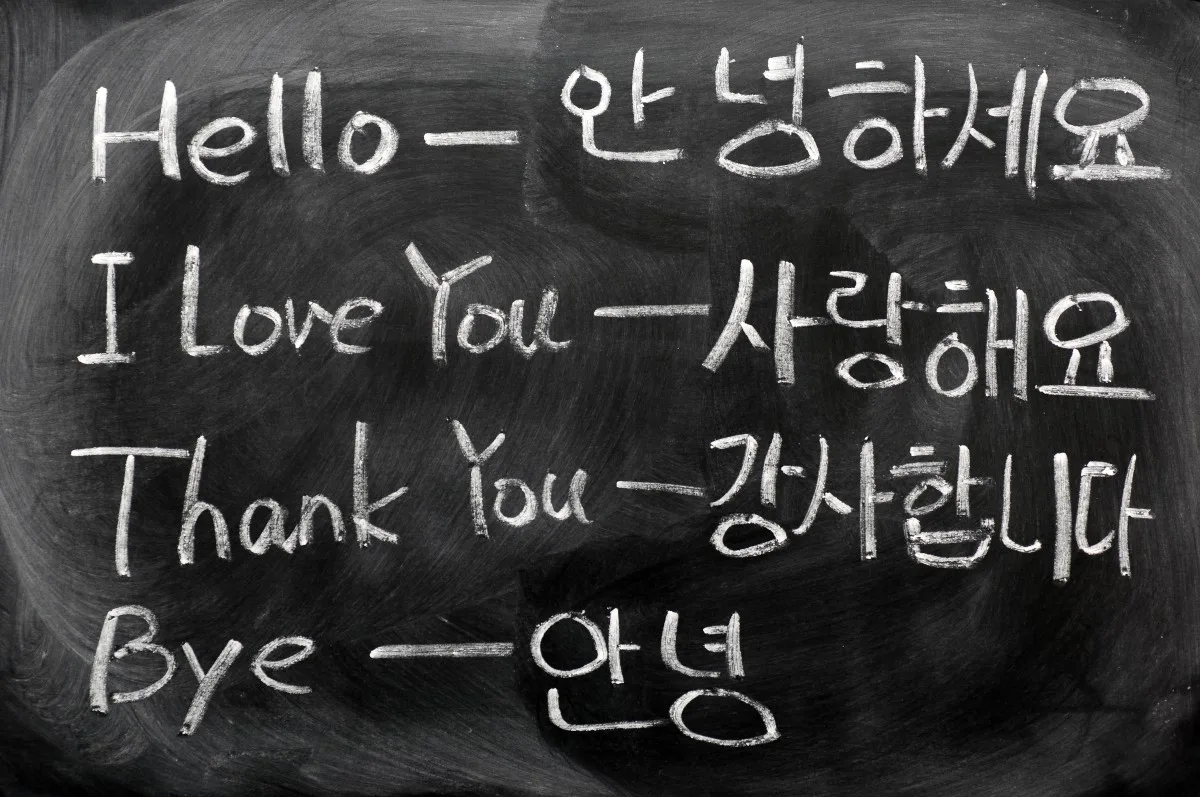
Friendship is one of the most important bonds we can cultivate throughout life, and when it comes to making new connections in different cultures, learning to say "friend" in another language can be a significant step. In the case of Korean, the word for friend is 친구 (pronounced as "chingu"). In this article, we will explore more about this term, its variations, and how to use it in different contexts.
Understanding how to refer to friends in Korean is not just a linguistic practice; it is an invitation to an enriching cultural exchange. Whether you are a fan of Korean dramas or someone who wishes to connect with the rich culture of South Korea, knowing the word "chingu" and its uses will allow you to build deeper and more meaningful relationships.
Contents 8
What Is “Chingu” and How to Use It?
The word 친구 (chingu) in Korean is widely used to designate friends, especially those with whom we have a closer relationship. This word is simple and easy to remember, but it is important to know in which contexts it can be used. Often, Koreans use "chingu" to refer to people of the same age group or to friends who share mutual affinities.
The Writing and Pronunciation of “Chingu”
To write "chingu," we use the structure of the Korean alphabet, Hangul. The written form is:
친구
For pronunciation, you can think of "chin" like your chin and "gu" like something like "goo." Visuals and associations like this can greatly help in memorizing the word. By learning to pronounce it correctly, you not only enrich your vocabulary but also show respect for the language and culture. To practice pronunciation, just repeat it out loud and, if possible, listen to natives using the word.
Contexts of Use
It is interesting to note that "chingu" is mainly used among people who are approximately the same age. If you are interacting with someone older, it is more common to use terms that describe the relationship of hierarchy, such as "oppa" for an older male friend, or "eonni" for an older female friend in the case of women. Although "chingu" is a term of endearment, it is not applicable to all relationships.

Different Terms for Friendship in Korean
In addition to "chingu," there are other terms that can be used to describe different levels of friendship. Here are some of them:
- 베프 (bepeu): A colloquial term that means “best friend.” It is a more casual and youthful way to refer to close friends.
- 절친 (jeolchin): Another term that refers to "great friend," usually used to describe long-lasting friendship or strong connection.
- 동생 (dongsaeng): This word means "younger brother" or "younger sister," but it can be used in a friendly and affectionate sense among friends who have a close relationship.
These terms show the richness of the Korean language in considering not only friendship but also hierarchies and interpersonal relationships. Using the correct word can help you better integrate into Korean culture and social dynamics.
Friendship and Relationships in Korean Culture
Friendship in South Korea is an experience filled with meanings. For Koreans, friendship goes beyond simple interactions; it is about trust, support, and sharing meaningful moments. An example of this is the phrase "가난한 친구" (gananhan chingu), which translates to "friend in need," reflecting the importance of being by friends' side in difficult times.
The Importance of Friendship
Friendship is a central value in Korean society. Koreans tend to form lasting bonds with friends and often invest time and effort to cultivate these relationships. Making new friends, especially among foreigners, is a gesture of openness and curiosity about other cultures.
Challenges and Nuances of Friendship Relationships
However, there are also challenges. In South Korean culture, age differences play a crucial role in social interactions, which can make the word "chingu" not the most appropriate among people of different ages. Thus, it is crucial to understand the nuances of friendship, including the value they place on social hierarchies.
Conclusion
Learning to say "friend" in Korean, or "chingu," is more than just vocabulary; it is a gateway to better understanding the culture, values, and ways of interaction in South Korea. By familiarizing yourself with the different terms of friendship and their applications, you will feel more comfortable interacting with Korean friends, both new and old. Whether in a casual meeting or during a conversation at a café, remembering to use the correct word reinforces respect and affection in relationships.
Now that you know more about "chingu" and the richness of friendship relationships in Korea, how about practicing and applying this knowledge? You might be surprised at how much this will open up new possibilities for friendship and cultural exchange in your life!




Community
Comments
0 comments
There are no published comments in this language yet.
Send comment