For those who don't know, the name "Itachi" means "Weasel," or in free translation "ermine." But the focus of the article is not to present the species itself. We will present the meaning that this animal has in Japanese culture.
And thus, we can have a small light of knowledge about how this animal is viewed in Japan. Similarly, we will be able to compare the story of the famous character from Naruto with the culture.
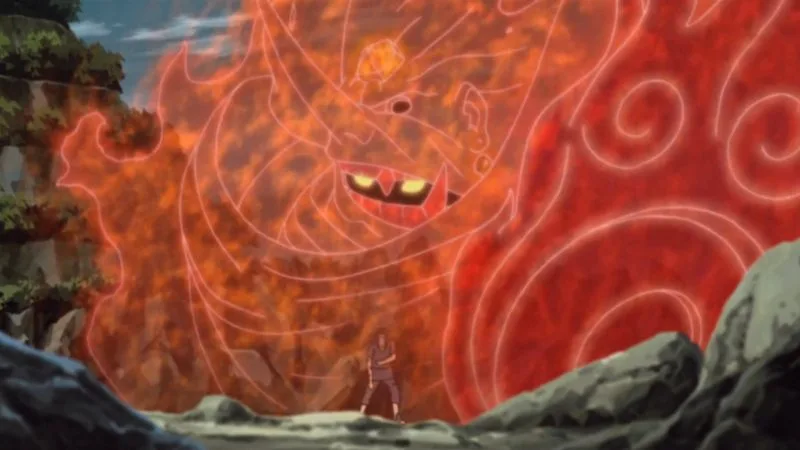
I believe many people already know that it is Itachi Uchiha. For those who don't know him, I highly recommend watching the anime Naruto. But anyway, let's explore a bit of this vast culture. Giving special focus to these small mammals that have a somewhat bad meaning.
Contents3
Itachi – Weasel in cultures around the world
A weasel is a mammal of the genus Mustela of the family Mustelidae. The genus Mustela includes weasels, ferrets, and martens. Members of this genus are small active predators, with long slender bodies and short legs.
In Greek culture, a weasel near the house is a sign of bad luck. Especially if there is a girl in the house about to get married. This is because it was thought that the animal was an unhappy bride who was transformed into the animal. Thus, this "unhappy bride" would take pleasure in destroying wedding dresses.
In Macedonia, weasels are generally seen as a harbinger of good luck. Indeed, the world is too big to have only one way of thinking.
In early modern Mecklenburg, Germany, weasel amulets were considered to have strong magic. Between August 15 and September 8 was a specifically designated period for the killing of weasels.
In another part of the world, in North America, natives considered the weasel a bad sign. For them, crossing its path meant "quick death."
Itachi - Weasel in Japanese culture
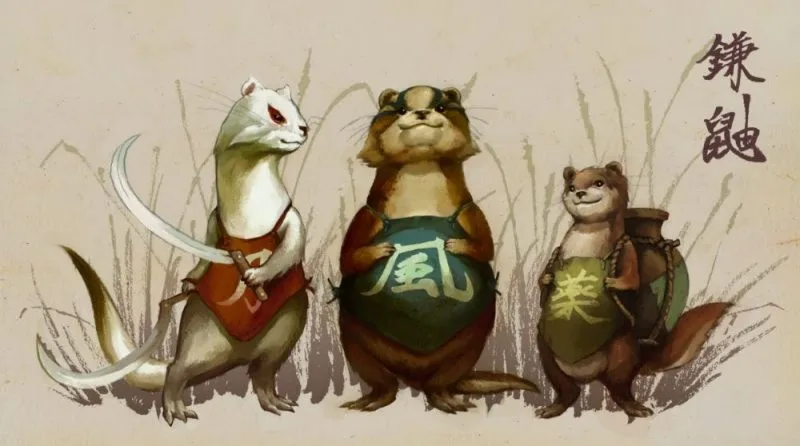
In Japan, weasels were seen as a type of yōkai. According to the Wakan Sansai Zue encyclopedia from the Edo period, a birth of weasels would cause conflagrations. Furthermore, the cry of a weasel was considered a precursor to misfortune.
They are also considered ShapShift, meaning they can change forms, most often into a human. Just like the fox (kitsune) or tanuki. In the collection of representations, the Gazu Hyakki Yagyō by Sekien Toriyama, they were described under the title 鼬. However, they were read not as "itachi," but as "ten."
And thus, it was considered that there were "ten" weasels that reached one hundred years of age. Thus, if these weasels became yōkai, they possessed supernatural powers. Another well-known theory about weasels is about the hundred years of a weasel. For when weasels reach hundreds of years of age, they become mujina (badger).
In the Tohoku and Shinshu regions, we have something much more curious about these animals. For in this region, it was believed that there were families capable of using a certain practice. That would allow them to freely use kudagitsune as iizuna-tsukai or kitsune-mochi. Some types of Kitsune.
Itachi and the weasels
As we can see, Itachi's fate was not good from his creation. Now tell me, did you know this meaning? Speaking of which, how would it be if you already knew this before even seeing the end of Naruto's story?
But anyway, now we know that Japanese folklore does not have a good view of this mammal. But we can see weasels in some animes, just like the Kitsunes. If you know of any anime, besides Ushio to Tora and Pokémon, comment down below.
That's all we have for this post. I hope it has clarified some things about the culture and about Itachi. And don't forget to share the site on social media, it helps us a lot. Otherwise, thank you for reading the article up to here, goodbye.
Kevin Henrique has written about the Japanese language, culture, anime, games, and travel since founding Suki Desu in 2014. He first visited Japan in 2016.
Community
Comments
0 comments
There are no published comments in this language yet.


 As we can see, Itachi's fate was not good from his creation. Now tell me, did you know this meaning? Speaking of which, how would it be if you already knew this before even seeing the end of Naruto's story?
But anyway, now we know that Japanese folklore does not have a good view of this mammal. But we can see weasels in some animes, just like the Kitsunes. If you know of any anime, besides Ushio to Tora and Pokémon, comment down below.
That's all we have for this post. I hope it has clarified some things about the culture and about Itachi. And don't forget to share the site on social media, it helps us a lot. Otherwise, thank you for reading the article up to here, goodbye.
As we can see, Itachi's fate was not good from his creation. Now tell me, did you know this meaning? Speaking of which, how would it be if you already knew this before even seeing the end of Naruto's story?
But anyway, now we know that Japanese folklore does not have a good view of this mammal. But we can see weasels in some animes, just like the Kitsunes. If you know of any anime, besides Ushio to Tora and Pokémon, comment down below.
That's all we have for this post. I hope it has clarified some things about the culture and about Itachi. And don't forget to share the site on social media, it helps us a lot. Otherwise, thank you for reading the article up to here, goodbye.



Community
Comments
0 comments
There are no published comments in this language yet.
Send comment