
In a spectacle that blends natural beauty and human ingenuity, the phenomenon known as Isaribi Kochu [漁火光柱] illuminates the skies of Japan with vibrant pillars of light. Despite sparking curiosity and even supernatural and extraterrestrial speculations, the explanation for this phenomenon lies in the interaction between traditional fishing practices and the unique atmospheric conditions of the region.
Contents 3
The Origin of the Pillars of Light in Japan
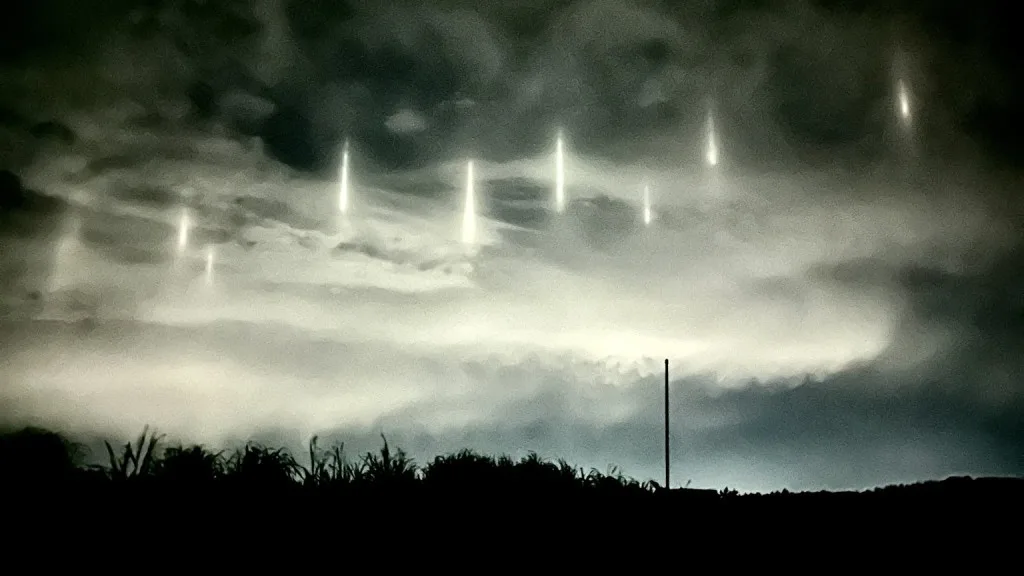
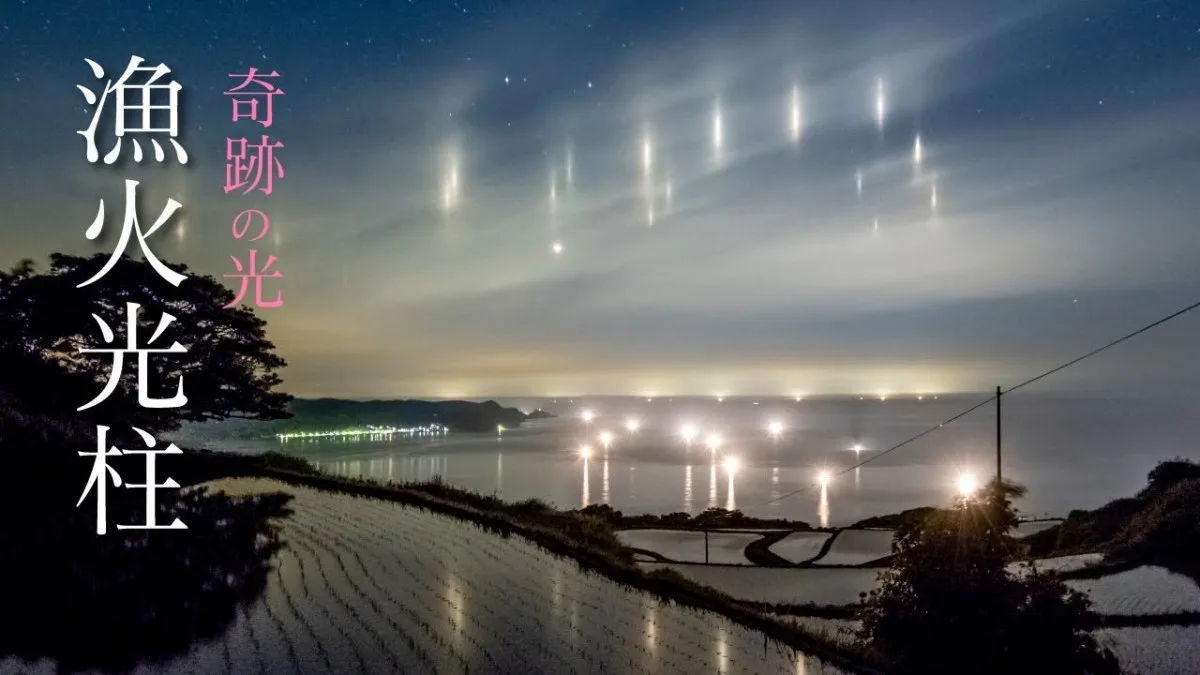
Isaribi Kochu, which translates to "light pillars that attract fish," has its roots in Japanese night fishing practices. Fishermen use high-intensity lamps, known as isaribi, to attract squids and other fish to the surface. Under specific atmospheric conditions, the light from these lamps is refracted by ice crystals suspended in the atmosphere, creating luminous pillars that extend toward the sky resembling an alien invasion.
The occurrence of Isaribi Kochu requires a combination of climatic factors. Clear skies, low temperatures, and the presence of ice crystals in the atmosphere are crucial elements for the light to be reflected and projected toward the sky. These conditions are more common during winter when temperatures drop and air humidity crystallizes.
Cultural and Scientific Impact
The Isaribi Kochu transcends mere scientific explanation, incorporating itself into Japanese culture and folklore. The pillars of light are seen as a symbol of the harmonious relationship between man and nature, as well as representing the ingenuity of fishermen in utilizing natural resources for their livelihood.
From a scientific perspective, the phenomenon offers a unique opportunity to study the interaction between light and atmospheric particles. The refraction of light in ice crystals is a fascinating optical phenomenon, and the Isaribi Kochu provides a natural laboratory to investigate its mechanisms.
Although Isaribi Kochu is a relatively rare phenomenon, its beauty and uniqueness attract the attention of observers and photographers. The coastal regions of Japan, where night fishing is practiced, are the most suitable places to witness this light spectacle.
Preservation and Conclusion
The preservation of Isaribi Kochu is intrinsically linked to the maintenance of traditional fishing practices and awareness of the importance of environmental conservation. Light pollution and the degradation of marine ecosystems can threaten the occurrence of this phenomenon, making its protection a crucial issue.
In summary, Isaribi Kochu is a testament to the beauty and complexity of nature, as well as to human capacity to interact with it in a creative and sustainable way. By appreciating these pillars of light that illuminate the sky of Japan, we are invited to reflect on the importance of environmental preservation and the appreciation of cultural traditions that connect us with the natural world.






Community
Comments
0 comments
There are no published comments in this language yet.
Send comment