
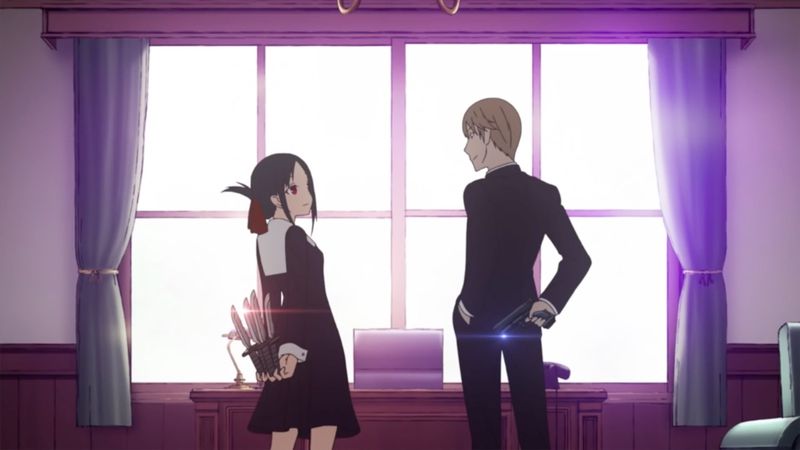
The Japanese language is rich and complex, especially when it comes to expressing feelings. While in most languages we can simply say “I love you,” in Japanese there is an impressive variety of ways to convey this sentiment, depending on the context, intensity, and type of relationship. Let’s explore 50 different ways to declare your love in Japanese, understanding how each one is used and what feeling it carries.
1. Aishiteru (愛してる)
Aishiteru is perhaps the most direct way to say “I love you” in Japanese. The word combines “ai” (love) with “shiteru” (colloquial form of the verb “suru” – to do), creating something like “I am loving you.”
This expression is very strong and rarely used in everyday relationships, being more common in solemn declarations or emotional situations, such as farewells or significant moments. Using “aishiteru” demonstrates a deep and true love, usually reserved for couples who already share an intimate and lasting connection.

2. Suki da (好きだ)
To say “Suki da” is equivalent to “I like you” or “I like you” in a romantic context. This expression is much lighter than “aishiteru” and is widely used by young lovers.
It conveys affection and fondness without the weight of an intense declaration of eternal love. Therefore, it is perfect for couples who are starting a relationship or are still exploring their feelings.

3. Daisuki da (大好きだ)
When you want to intensify the feeling, you can use “daisuki da”, which literally means “I like a lot” or “I adore.” The addition of the prefix “dai” (big) indicates that the feeling is stronger than just a simple “like.”
This expression is popular among couples and close friends, and is often heard in everyday situations, such as when someone expresses their love for food or hobbies.
4. Kimi ga suki (君が好き)
Here, we have a structure similar to “Suki da,” but with a more personal touch, as it includes “kimi” (you). The literal translation would be “You are liked by me” or “I like you.”
This phrase is mainly used by men, as “kimi” has a slightly masculine and casual tone. However, it can sound sweet and sincere depending on the context.
5. Anata wo aishiteru (あなたを愛してる)
This is a more formal and poetic way of saying “I love you,” as it includes the pronoun “anata” (you). Using the explicit pronoun gives a more serious and committed air to the declaration.
Often found in romantic songs and poems, this expression carries an emotional weight that goes beyond simple everyday use.
6. Koi shiteru (恋してる)
To say “Koi shiteru” is like saying “I am in love with you.” Here, “koi” refers to romantic passion and desire. This expression is often used in contexts where love is still blossoming or when the feeling is more impulsive and passionate.
It is more common among young people and couples who are at the beginning of an intense and emotional relationship.

7. Zutto issho ni itai (ずっと一緒にいたい)
This phrase means “I want to be together forever” and reflects a deep desire to be by the side of the loved one.
It is ideal for special moments, such as proposals for dating or marriage, and reveals a serious commitment to the relationship. Using this expression shows that the feeling is lasting and true.
8. Isshou ni iruyo (一緒にいるよ)
Translated as “I will be with you,” this phrase brings a promise of permanence. It is less intense than “zutto issho ni itai,” but still carries a feeling of commitment and protection.
It is a comfortable expression to assure the loved one that you will be by their side, even in difficulties.
9. Kimi wa boku no subete (君は僕のすべて)
It means “You are everything to me.” This expression conveys an absolute and unconditional love, affirming that the loved one is the center of your world.
It is usually used in very emotional moments, such as when someone wants to express the depth of their love clearly and impactfully.
10. Aitai yo (会いたいよ)
“Aitai yo” means “I want to see you” or “I miss you.” This expression is used to show that the absence of the loved one is hard to bear.
It is often sent in text messages or said over the phone, and reflects a mix of affection and longing.
11. Kimi no koto ga daisuki da (君のことが大好きだ)
This expression means “I like you a lot” and is a variation of “Daisuki da”, but with a more affectionate tone by including “kimi no koto” (things about you). This shows that the person not only likes but appreciates every detail of the other.
It is a phrase used especially when you want to emphasize that it is not just the feeling of love, but everything related to the person that attracts you. Ideal for sweet moments and spontaneous declarations.
12. Kokoro kara aishiteru (心から愛してる)
Literally, it means “I love you from the bottom of my heart”. This expression is used to convey a sincere and deep feeling, showing that the love comes from the soul.
Much used in love letters or emotional declarations, it is a poetic way to affirm that the feeling is true and pure, perfect for special occasions like a marriage proposal.
13. Anata ga inakereba ikirarenai (あなたがいなければ生きられない)
Translated as “I can’t live without you”, this phrase is intense and expresses a very strong emotional dependency. It reflects an absolute love, where the presence of the other is essential for happiness.
Being an expression loaded with emotion, it is used in dramatic moments or deep declarations, often in contexts of separation or farewell.
14. Itsumo soba ni iru yo (いつもそばにいるよ)
This expression means “I will always be by your side”. It demonstrates commitment and loyalty, indicating that you will be a constant support for the loved one.
It is common in long-term relationships and can also be said to close friends, as the focus is on presence and ongoing care.

15. Ore no mono da (俺のものだ)
It means “You are mine” and has a possessive tone, but can be used affectionately in relationships where there is intimacy. “Ore” is a more masculine way of referring to oneself, so this expression is more used by men.
It can sound romantic or playful, depending on the situation. It is common in relaxed contexts, but can also be used in a protective manner.
16. Issho ni itai (一緒にいたい)
Translated as “I want to be with you”, this phrase expresses the desire for closeness and companionship. It is a sweet and direct way to affirm that the presence of the person is important to you.
Ideal for calm and comforting moments, showing that love is in the small gestures and everyday company.
17. Kimi wa boku no taisetsu na hito (君は僕の大切な人)
This expression means “You are my special person”. Used to indicate that someone has a unique and important place in the heart, it carries a tone of respect and affection.
Much used in weddings or more formal declarations, it is ideal for reinforcing the value that the person has in your life.
18. Suki yanen (好きやねん)
This expression comes from the Kansai dialect and means “I like you”. Being more casual and regional, it conveys a lighter and more spontaneous feeling.
Frequently used in Osaka and surrounding areas, it demonstrates a fun and relaxed side of love, perfect for those who want to express affection simply.
19. Anata no koto wo omotteru (あなたのことを思ってる)
Translated as “I am thinking of you”, this phrase demonstrates that the person is present in thoughts, even when distant.
Much used in messages and letters, it carries a tone of longing and affection, being great for expressing that the feeling is always alive, even in absence.
20. Taisetsu ni suru (大切にする)
It means “I will cherish you” or “I will take care of you”. Used to show commitment and respect, especially in serious relationships.
It is a promise to treat the other with care and consideration, conveying emotional security and stability.
21. Kimi no egao ga suki (君の笑顔が好き)
This expression means “I like your smile”. More than a simple compliment, it conveys that the happiness of the loved one is important to you.
It is perfect for light and romantic moments, especially when you want to highlight what you appreciate most about your partner.

22. Kimi to iru to shiawase (君といると幸せ)
Translated as “I am happy when I am with you”, this phrase shows that the presence of the person brings joy and peace.
It reinforces the idea that the relationship directly contributes to your happiness, being a great way to value shared moments.
23. Zutto zutto suki dayo (ずっとずっと好きだよ)
It means “I will always, always love you”. The repetition of “zutto” reinforces the idea of permanence and continuity, making the declaration intense and lasting.
Used mainly in emotional contexts, such as relationship anniversaries, this phrase demonstrates that the feeling is constant and true.
24. Kimi wa boku no hikari (君は僕の光)
This phrase means “You are my light”. It shows that the loved one brings hope and joy, as if illuminating your life.
Much used in romantic songs and poems, it is a poetic way to show that the partner is essential for your happiness.
25. Ore wa omae ga inakya dame da (俺はお前がいなきゃダメだ)
Translated as “I can’t live without you”, this expression is strong and somewhat dramatic, typical of more impulsive and passionate declarations.
Although it has a slightly possessive tone, it is used when someone wants to make it clear that the loved one is fundamental to their existence.
26. Omae ga iru kara ganbareru (お前がいるから頑張れる)
This phrase means “I can strive because you are here”. It is a beautiful way to express that the presence of the loved one is a source of motivation and strength.
Much used by men, as “omae” is a more direct way to say “you,” this expression conveys a feeling of gratitude and inspiration, ideal for couples facing challenges together.
27. Issho ni iru to kokoro ga atatakai (一緒にいると心が暖かい)
Translated as “When I am with you, my heart feels warm”, this phrase expresses comfort and joy when being by the side of the loved one.
It fits well with calm and affectionate moments, showing that the relationship provides a warm and comforting feeling.
28. Kimi wa boku no yume (君は僕の夢)
This expression means “You are my dream”. It is a poetic way of saying that the loved one represents everything you have always wished for.
Used in romantic and even artistic contexts, such as songs or poetry, it shows that the presence of the other is like a dream come true.
29. Zutto mamoru yo (ずっと守るよ)
It means “I will protect you forever”. This phrase conveys a feeling of protection and loyalty, very common in serious relationships and promises of commitment.
It is perfect for moments when you want to show that you will always be by the person’s side, caring and supporting.
30. Kimi no koto dake mitsumeteru (君のことだけ見つめてる)
Translated as “I am looking only at you”, this phrase is used to affirm that the loved one is the center of your attention.
It can be used to reassure someone who is insecure or simply to reinforce how dedicated you are to the relationship.
31. Futari de mirai wo tsukurou (二人で未来を作ろう)
This phrase means “Let’s build a future together”. It expresses a desire to share life and plans with the partner.
Much used in marriage proposals or moments of reflection about the future, it demonstrates commitment and hope.
32. Kimi to iru to tanoshii (君といると楽しい)
It means “It is fun to be with you”. This expression is light and cheerful, perfect for young couples or those who like to keep the relationship relaxed.
It shows that the company of the other brings happiness and that the relationship is full of good and funny moments.
33. Kimi no tame ni nani demo dekiru (君のために何でもできる)
Translated as “I would do anything for you”, this phrase demonstrates devotion and willingness to make sacrifices for the loved one.
Generally used in emotional contexts or when wanting to show a strong commitment, it emphasizes the willingness to overcome any obstacle together.
34. Kimi ga iru dake de ureshii (君がいるだけで嬉しい)
This expression means “Just by you being here, I am happy”. It shows that the simple presence of the person is enough to bring joy.
It is a sweet way to express that no grand gestures are necessary, as the company alone is enough to brighten the day.
35. Koko ni ite kurete arigatou (ここにいてくれてありがとう)
Translated as “Thank you for being here”, this phrase expresses gratitude for the presence and support of the loved one.
Used in moments of reflection or after going through something difficult, it reinforces that the relationship is valued and appreciated.
36. Kimi wa boku no daiji na hito (君は僕の大事な人)
It means “You are an important person to me”. This expression is affectionate and conveys that the person occupies a special place in the heart.
It is used in both romantic relationships and deep friendships, showing appreciation and consideration.
37. Aitakute tamaranai (会いたくてたまらない)
This phrase means “I miss you so much I can’t stand it”. It expresses an intense longing, as if the absence of the loved one is unbearable.
Used in long-distance contexts or when the couple is separated, it demonstrates how important presence is.
38. Boku wa kimi ni muchuu da (僕は君に夢中だ)
Translated as “I am completely obsessed with you”, this phrase expresses an overwhelming passion.
It shows that thoughts are always on the loved one, reflecting an intense phase of the relationship.
39. Kimi wa boku no kyoumi no taishou da (君は僕の興味の対象だ)
It means “You are my object of interest”. Although it may sound technical, it is used to indicate that the person arouses curiosity and attention.
Ideal for the beginning of a relationship, where there is still discovery and novelty.
40. Kimi no subete ga suki (君のすべてが好き)
This expression means “I like everything about you”. It shows full acceptance and admiration for all aspects of the loved one.
It is perfect for moments when you want to value not only the qualities but also the small flaws that make the person unique.
41. Kimi no kimochi wo taisetsu ni suru (君の気持ちを大切にする)
Translated as “I will value your feelings”, this phrase demonstrates respect and consideration for the emotions of the loved one.
Ideal for strengthening trust and showing that you take the other person’s feelings seriously.

42. Boku wa kimi ni tokimeku (僕は君にときめく)
This expression means “My heart beats for you”. Used to convey the feeling of butterflies in the stomach, it is perfect for passionate moments.
It shows that just thinking about the person already provokes strong and positive emotions.
43. Kimi wa boku no hikari to yami (君は僕の光と闇)
It means “You are my light and darkness”, indicating that the person brings both happiness and challenges.
This phrase is intense and poetic, ideal for couples who face ups and downs but complement each other.
44. Tsuki ga Kirei desu ne (月が綺麗ですね)
This expression is one of the most poetic and indirect ways to say “I love you” in Japanese. Literally, it means “The moon is beautiful, isn’t it?”, but its romantic meaning goes far beyond.
It is said that this phrase originated in the Meiji period when the writer Natsume Sōseki suggested that, when translating the English “I love you”, the Japanese should use something more subtle, as saying “I love you” directly was considered rude. Thus, the beauty of the moon came to symbolize the loving sentiment.
Used mainly in literary contexts or in calm moments, it is perfect for expressing love discreetly and elegantly, as if the moonlight reflects the warmth of the feeling.

45. Kimi to issho ni itai yo (君と一緒にいたいよ)
Translated as “I want to be with you”, this expression is simple but direct. It demonstrates a sincere desire to be by the side of the loved one, regardless of the circumstances.
Ideal for moments of longing or when you want to express that the company of the other is essential for your happiness. It is used in both new and old relationships, as it conveys genuine affection.
46. Kimi wa boku no nakama da (君は僕の仲間だ)
Although the word “nakama” generally means “companion” or “partner”, in a romantic context, it indicates that the person is someone very close and dear.
This expression shows that the relationship is more than just a simple dating, but a true partnership, where the couple faces life together. It carries a tone of complicity and loyalty, typical of strong and lasting relationships.
47. Boku no kokoro wa kimi dake no mono (僕の心は君だけのもの)
This phrase means “My heart is only yours”. Used to reaffirm fidelity and commitment, it shows that your love belongs exclusively to the loved one.
Ideal for romantic declarations and moments when you want to ensure that your feelings are sincere and unwavering, especially on occasions like relationship anniversaries.
48. Kimi no tame ni ikiru (君のために生きる)
Translated as “I will live for you”, this expression is intense and expresses a sacrificial and unconditional love. It demonstrates that the loved one is the reason for living and that any effort is worth it for them.
Frequently used in dramatic situations, such as farewells or emotional declarations, it is perfect for emphasizing the depth of feelings.
49. Ai wa kesshite kieru koto wa nai (愛は決して消えることはない)
This phrase means “Love will never disappear”. It expresses an eternal feeling, indicating that, regardless of time or distance, love remains intact.
Used mainly in letters or deep messages, it is a way to promise that feelings will not change, even in the face of adversities.
50. Kimi no subete wo uketomeru (君のすべてを受け止める)
This expression means “I accept everything about you”. It is a powerful declaration, showing that you love the person with all their qualities and flaws.
This phrase is ideal for moments of vulnerability, when the partner feels insecure or worried. It guarantees that the love is unconditional and true, without judgments.
Leave a Reply