
On July 28, 2024, during the Paris Olympics, Japanese judoka Abe Uta competed in the women's 52 kg category. Abe Uta, gold medalist at the Tokyo Olympics, carried the hope of repeating her achievement. However, an unexpected defeat in the second round triggered an intense emotional reaction that divided opinions and sparked debate.
Contents 13
Abe Uta's Journey in Paris
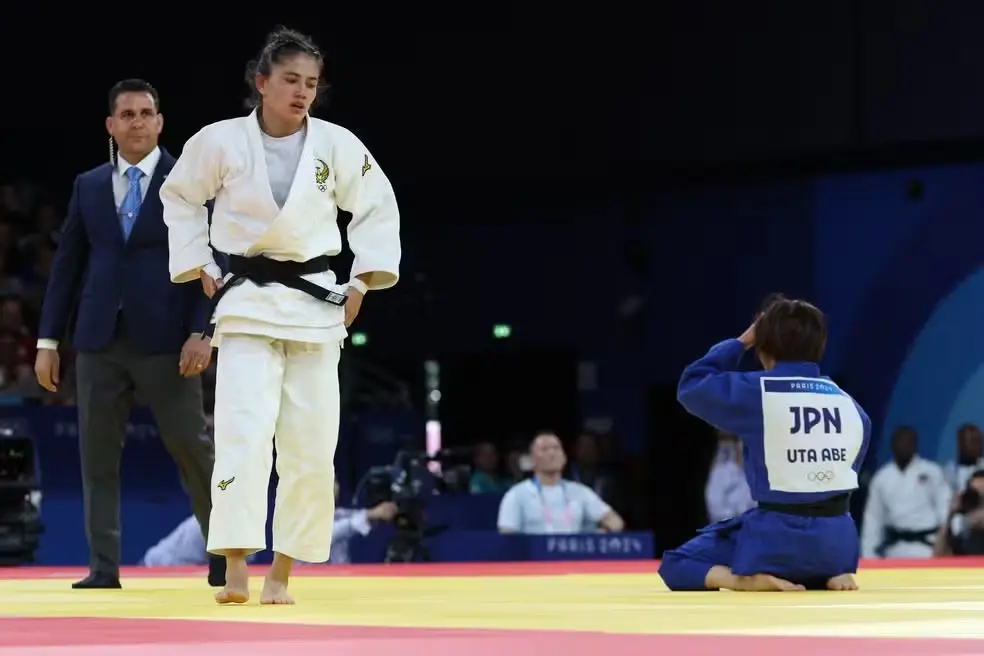
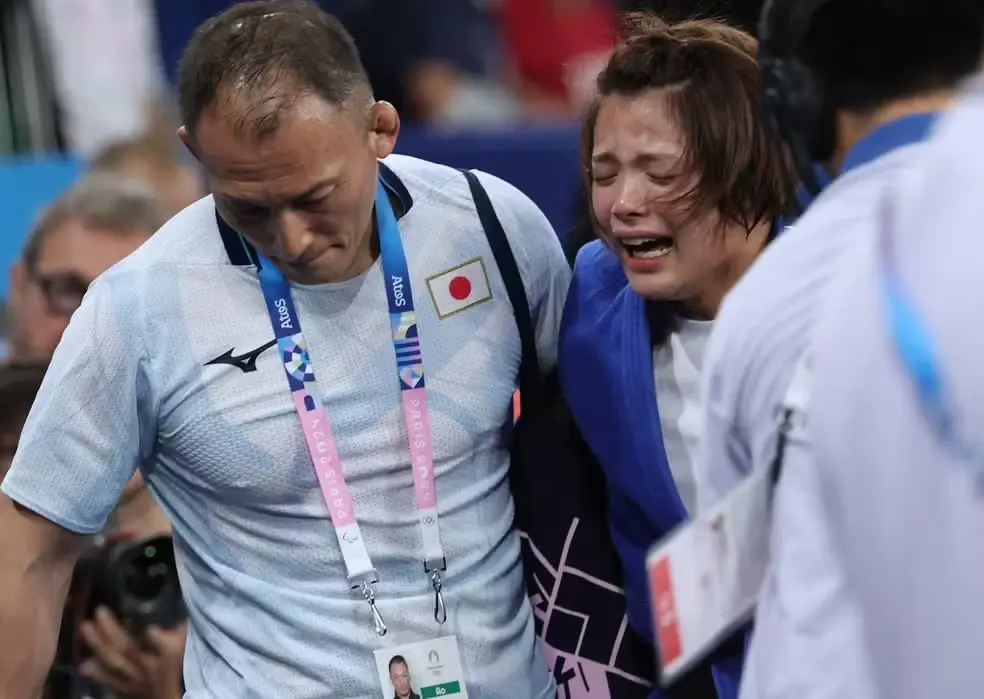
In the first round, Abe Uta won with an ippon, advancing to the second round where she faced Uzbek judoka Diyora Keldiyorova, the number one in the world. Despite scoring a waza-ari, Abe Uta was surprised by a counterattack from Keldiyorova, losing by ippon. Devastated, Abe Uta broke down in tears, embraced by her coach Yukihide Hirano.
Reactions to Abe Uta's Tears
Abe Uta's tears elicited a range of reactions, both sympathetic and critical. While many understood her pain and expressed support, others viewed her reaction as exaggerated and inappropriate for an athlete of her stature. Below, we explore the main critical arguments.
Reasons for the Criticism of Abe Uta's Tears
1. Childish Behavior
Some critics compared Abe Uta's tears to those of a child, deeming them disproportionate and inappropriate for a professional athlete. The intensity of her tears, audible throughout the venue, was seen as a sign of emotional immaturity.
2. Incompatible with a Judoka's Conduct
Judo values discipline and respect, starting and ending with a bow. Abe Uta's inability to compose herself to properly greet her opponent was considered a significant breach of judo etiquette.
3. Lack of Respect for the Opponent
Although Abe Uta shook Keldiyorova's hand after the match, her reaction was perceived as disrespectful. Keldiyorova, in turn, demonstrated great sportsmanship and respect by containing her celebrations in light of Abe Uta's emotional defeat.
4. Interference with the Competition's Progress
Abe Uta's prolonged crying fit delayed the competition schedule, requiring intervention from the organizers. This behavior was deemed inappropriate for a high-level athlete, who should avoid disrupting the flow of the event.
5. Disturbance to Other Athletes
Abe Uta's behavior was also criticized for potentially distracting other competitors who were preparing for their own matches. In a highly competitive environment, maintaining focus is crucial, and her emotional display was seen as an unnecessary distraction.
6. Selfish Attitude
Some spectators interpreted Abe Uta's behavior as selfish, suggesting that she disregarded the impact of her actions on other competitors and the organization of the event.
7. Reaction of the Coaches
Abe Uta's coaches were criticized for not acting quickly to calm her down and remove her from the venue, allowing her emotional reaction to prolong in public.
Reasons for Abe Uta's Tears
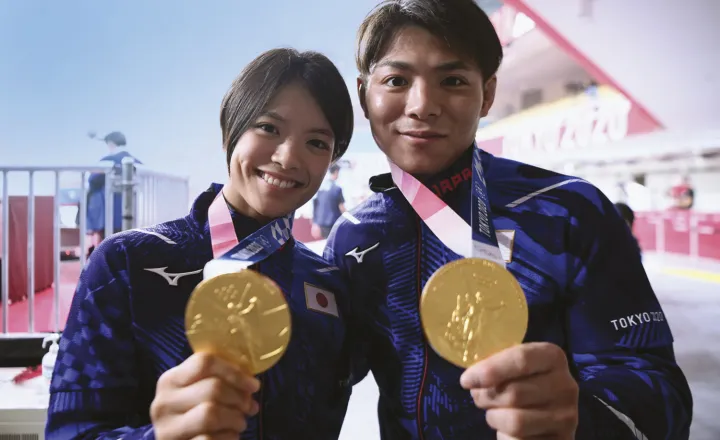
Abe Uta's defeat was particularly devastating due to her history of success and high expectations. Furthermore, she was pursuing the dream of winning gold alongside her brother, Hifumi Abe, repeating the feat of the Tokyo Olympics. The pressure and weight of these expectations may have significantly contributed to her intense emotional reaction.
Japanese athletes, especially judokas, carry immense pressure to perform well in international competitions due to Japan's strong tradition and success in judo. This sport, which has its roots in Japan, is more than just a physical activity; it is an essential part of the national culture and identity. Consequently, Japanese judokas do not compete only for themselves but also for a legacy and national expectations.
Abe Uta's defeat at the Paris Olympics can be seen as a reflection of the enormous pressure she faced. As a gold medalist at the Tokyo Olympics, there was an expectation for her to repeat her success. Additionally, Abe Uta was not only competing for a medal but also for the pride of her country and the continuation of her personal and family legacy, as her brother, Hifumi Abe, is also a renowned judoka.
The pressure to uphold national and personal honor can be overwhelming. In Abe Uta's case, the unexpected defeat in the second round, after being considered one of the favorites, was a hard blow. The intensity of her tears can be seen as an expression of accumulated frustration, disappointment for not meeting expectations, and the pressure of being in the spotlight of an entire nation.
The Culture of Excellence in Japan
In Japan, the pursuit of excellence is deeply rooted in various areas, including sports. Athletes are often trained from a young age to achieve the highest level of performance, which involves a rigorous training regimen and a mindset of total dedication. While this pursuit of excellence produces many champions, it also places an enormous emotional burden on athletes.
Conclusion
Abe Uta's tears at the Paris Olympics were a moment that elicited empathy and criticism. Her vulnerability brought to light important discussions about the pressure on elite athletes and public expectations. While some saw her tears as a genuine expression of frustration and pain, others criticized her inability to maintain the composure expected of a judoka.
Regardless of opinions, it is undeniable that Abe Uta is an athlete of immense talent and determination. It is hoped that she can recover from this experience and come back even stronger in future competitions, continuing to inspire both through her achievements and her humanity.


Community
Comments
0 comments
There are no published comments in this language yet.
Send comment