

“One Piece,” one of the most popular and longest-running manga and anime series, created by Eiichiro Oda, features a diverse cast of fictional characters. Although they are part of an imaginary world, Eiichiro Oda has speculated about the nationalities of the characters if they belonged to our world.
This article explores these inspired nationalities mentioned over the years by the Author and also hypothetically, offering a fascinating insight into how the culture and geography of the real world influence the creation of these iconic characters.
Table of Contents
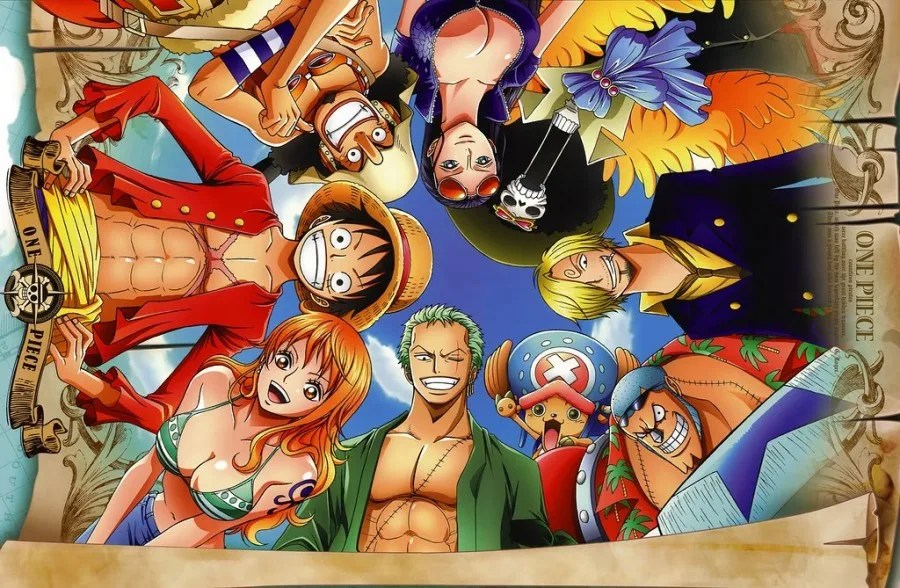
The Mugiwara (Straw Hats)
- Monkey D. Luffy: Inspired by Brazil, Luffy reflects the joy and determined spirit that are often associated with the country.
- Roronoa Zoro: Would represent Japan, reflecting the country’s respect for samurai and the art of swordsmanship.
- Nami: Would be from Sweden, a nation known for its stunning landscapes, alluding to her connection with navigation and maps.
- Usopp: Coming from Africa, Usopp reflects the rich storytelling traditions and the courage often found in African cultures.
- Sanji: Represents France, famous for its cuisine, mirroring Sanji’s passion for cooking.
- Tony Tony Chopper: Coming from Canada, Chopper represents the vast wildlife and natural areas of the country.
- Nico Robin: Would be from Russia, reflecting the mystery and historical depth, similar to her interest in archaeology and history.
- Franky: Originally from the United States, Franky reflects American culture of innovation and building.
- Brook: Coming from Austria, known for its classical music, relating to Brook’s musical skills.
Other Notable Characters
Trafalgar Law: Would be from Germany, alluding to his precision and efficiency.
Portgas D. Ace: Would represent Australia, reflecting the adventurous spirit and the untamed nature of the country.
Dracule Mihawk: Originally from Spain, reflecting elegance and passion, similar to bullfighters.
Shanks: Originally from Canada, Shanks may reflect the peaceful and friendly nature often associated with Canadians.
Buggy: Would be from the United States, which may allude to his flamboyant nature and the spectacle typical of many aspects of American culture.
Crocodile: Would represent Egypt, likely due to his ability to control sand and his association with deserts, reminiscent of Egyptian landscapes.
Enel: Would be from Afghanistan. This choice is less clear, but may relate to themes of divinity and power that are often explored in the history and mythology of Afghanistan.
Jinbei: Coming from China, reflecting perhaps the country’s long maritime history and the importance of seas and oceans in Chinese culture.
Kuma: Would represent France. This choice may be a bit surprising, but may relate to the political and historical complexity associated with both the character and France.
Doflamingo: Originally from Spain, which may be an allusion to his flamboyance and perhaps to the history of Spanish conquerors, reflecting his desire for power and control.
Mihawk: Also from Spain, possibly reflecting elegance, passion, and the country’s fencing history.
Ivankov: Would be from Russia, perhaps a reference to his resilience and radical transformations, aspects that can be associated with the historical changes in Russia.
Blackbeard (Marshall D. Teach): Coming from Somalia, which may be a direct reference to his occupation as a pirate, alluding to modern-day pirates from Somalia.
Islands that Reference Countries in One Piece
Eiichiro Oda often bases the locations and islands that characters visit on cultures, architectures, and geographies of the real world, creating a rich tapestry of environments that resemble different nationalities and regions. Here are some notable examples:
Dressrosa: Inspired by Spain and Italy, Dressrosa is known for its architecture reminiscent of Mediterranean cities, bull runs (coliseum races), and even the passion for dance and love typical of these cultures.
Wano Country: Heavily based on feudal Japan, Wano features samurai, Japanese-style castles, and a society that reflects the Edo period of Japan. The very aesthetics of the island and the way the story is told are a tribute to Japanese culture.
Water 7: Inspired by Venice, Italy, with its canals and gondolas, Water 7 is a water city with a strong maritime culture, reflecting Venice’s historical importance as a maritime port and trading center.
Alabasta: Resembling Egypt and the Middle East, Alabasta features a vast desert, pyramids, and an oasis city, all reminiscent of Egyptian geography and architecture.
Skypiea: While not directly based on a specific culture from Earth, Skypiea has elements that remind one of ancient mythologies about cities in the clouds and celestial civilizations, common in various cultures around the world.
Sabaody Archipelago: With its giant bubbles and unique architecture, Sabaody does not have a direct parallel with a specific location on Earth, but its representation of a society divided by social classes can be seen as a universal comment on social inequalities.
Whole Cake Island: Although not directly based on a real location, Whole Cake Island has elements that remind one of European fairy tales and fantasy stories, with its landscapes made of food and the themes of witchcraft and magic.
Fish-Man Island: Inspired by Atlantis and other legends of underwater cities, Fish-Man Island combines the mythology of mermaids and mermen with the beauty and mystery of coral reefs and marine life.
Elbaf: Heavily inspired by Norse mythology and Scandinavian culture, Elbaf is home to giants and reflects aspects of Viking life, including architecture, traditions, and mythology.
Conclusion
Although the characters of “One Piece” are fictional and inhabit a fantasy world, the idea of associating them with real countries from our world helps deepen our understanding of their personalities and traits. Eiichiro Oda, by creating such a diverse cast, not only built a rich imaginary world but also reflected the diversity and complexity of our own world.
These imaginary nationalities allow us to see how culture, history, and geography can shape fictional characters, making them more relatable and multidimensional for fans around the globe.
Leave a Reply