
Fast nobody thinks about rivers when talking about Japan, right? But behind the shining cities and fast trains, there is a Japan cut by waters, which sometimes run half hidden and other times become the main scenery. You know that feeling of peace when walking near a river, hearing only the sound of water and some birds? There's a lot of that over there.
I've always found it curious how certain rivers become part of the residents' routine. In Niigata, for example, people have picnics on the banks of the Shinano-gawa as if it were the most common thing in the world — and maybe it is. There are rivers that feed rice plantations, rivers that become stages for festivals with illuminated little boats at night. Some are just for fishing or escaping the heat. And between us: sometimes just seeing the water flowing already makes a difference.
Inhalt 31
How many rivers are there in Japan?
Have you ever heard that Japan has rivers to give and sell? It's serious: according to government data, the archipelago has more than 35 thousand cataloged rivers. If you try to imagine all this on a map, it's even hard to visualize. The reason for so many rivers? Mountains everywhere and rain almost all year round.
But — important detail — not all are giants. In reality, most are small watercourses, the kind you cross by jumping stones. Now, when the conversation is about the largest rivers in Japan, the list narrows down quickly. And, of course, these are the ones that really shape landscapes, inspire popular songs and even appear in manga.
Shinano-gawa (信濃川)
I confess that when I first heard about the Shinano-gawa, I thought it was just another famous river because it's the largest in the country. But then you see it live — especially in Niigata — and realize it's not an exaggeration. It's 367 km long, crossing cities, villages and rice fields that seem endless.
The legend says that on foggy days, the river becomes a movie scene. The Shinano is not just a "geographic landmark": it supplies plantations, becomes a route for fishermen, and there's always someone photographing the banks. They say over there that each stretch of the river has its own spirit. Mysticism? Maybe. But it does make you want to believe.
Tone-gawa (利根川)
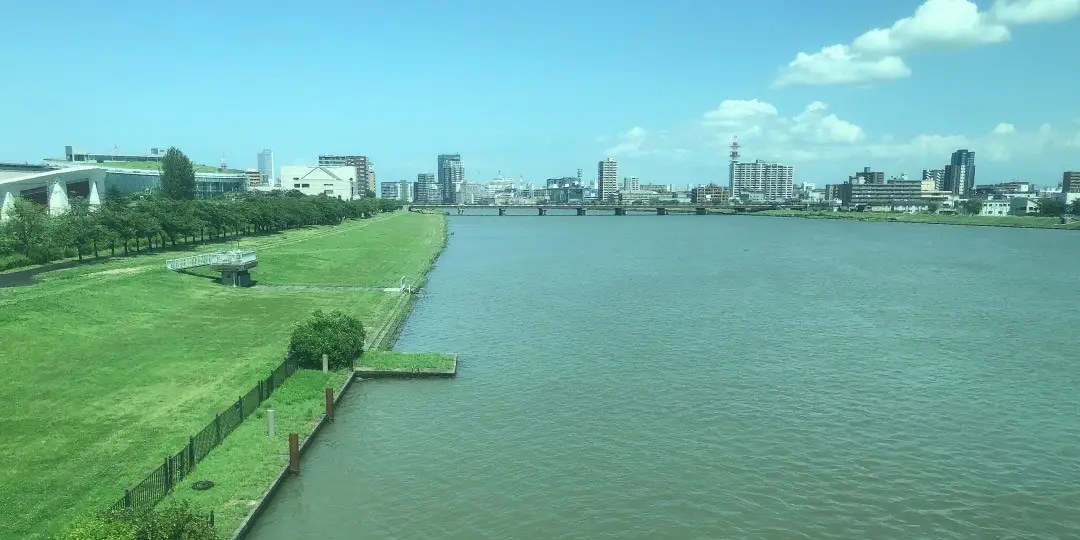
Tone-gawa doesn't just have size, it has personality. It's 322 km of waters that have changed course several times just to save Tokyo from floods. The people from the Edo period can tell you: they changed the riverbed more than once to not lose everything in a downpour.
Today it is fundamental for the water supply in the Kanto region — yes, much of what comes out of your faucet there came from the Tone. Ah, and if you like boats, there's a navigation festival almost every summer. People really take the coexistence with the river seriously.
Ishikari-gawa (石狩川)
Whoever goes to Hokkaido almost always hears about good food and cold, but few people remember the Ishikari-gawa. For those who live there, it's impossible not to remember: it's 268 km of river, with historic floods and an importance for agriculture that cannot be underestimated.
The view changes according to the season. In summer, many people have barbecues on the banks (yes, Japanese people also have barbecues!). In winter, only the crazy ones face the cold. And even so, they say it's beautiful to see.
Kitakami-gawa (北上川)
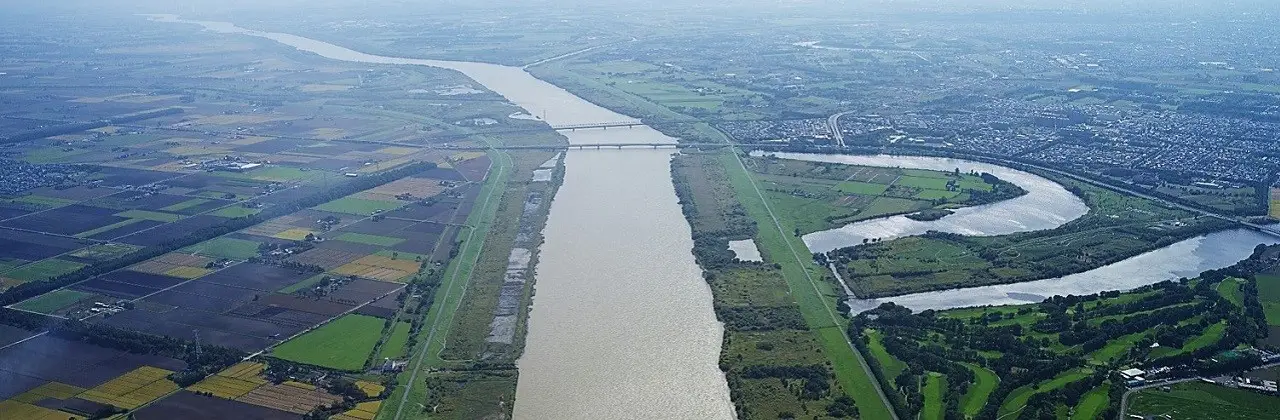
Kitakami-gawa is one of those discreet rivers, but that sustain entire communities. It crosses Iwate and Miyagi, and carries scars from the 2011 tsunami. There are fishermen who, to this day, are grateful for every salmon that goes up the river in the right season.
In small cities, there's even a festival to celebrate the "return of the fish". The atmosphere is one of restarting — and a certain quiet pride of those who have lived through so much difficulty there.
Yodo-gawa (淀川)
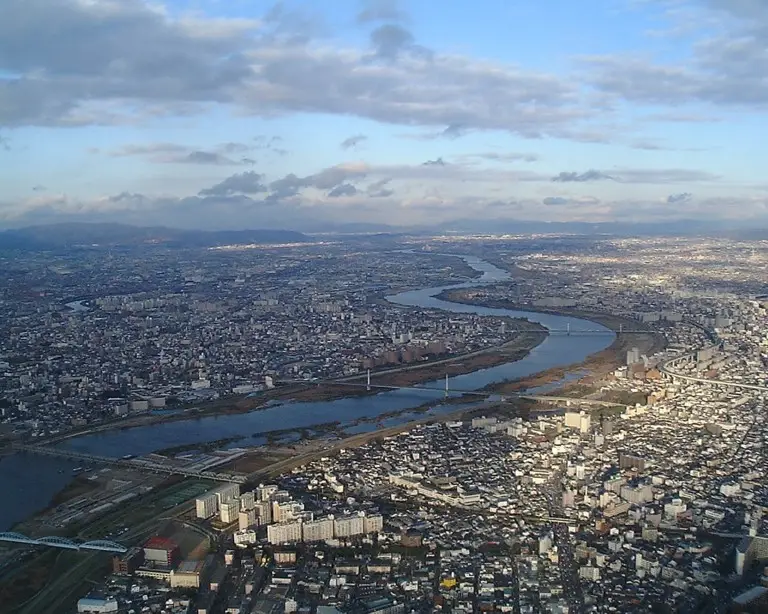
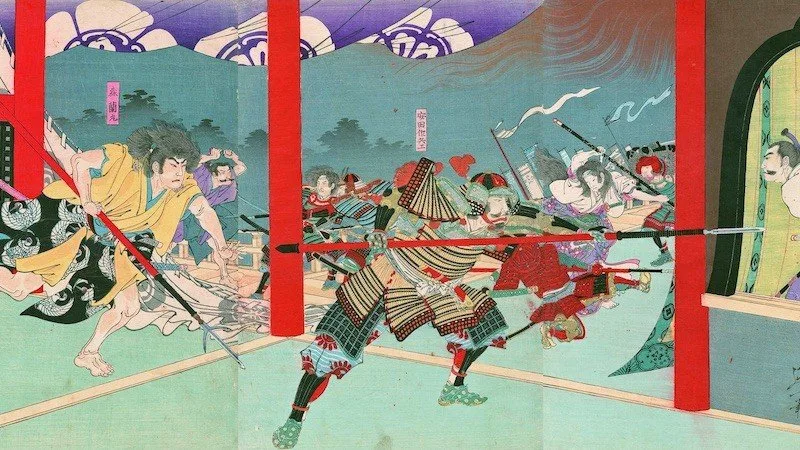
Few people imagine it, but the Yodo-gawa was once a strategic point in samurai battles. Today, it only wants to know about uniting Lake Biwa to Osaka Bay and supplying the people who live there. It's only 75 km, but don't underestimate the impact.
Sunny Sunday? Get ready to see cyclists, couples, children and dogs sharing space on the banks. There's one or another who says they've "never seen a sunset as beautiful as the Yodo's". Is it an exaggeration? You decide when you pass by there.
Mogami-gawa (最上川)
If you like poetry or snow, put the Mogami-gawa on your list. Famous among haiku poets, especially Bashō, who wrote about it. Ever thought about taking a boat ride in the middle of winter, surrounded by snow on all sides? In Mogami this is not only possible, but it became a local tradition.
The landscape is one of those from a postcard. There's a festival with fireworks in summer and "silent" rides in winter, just listening the water sliding between the stones. And each resident seems to have a story to tell about the river.
Agano-gawa (阿賀野川)
Crossing the provinces of Fukushima and Niigata, the Agano-gawa is known for its greenish color and clean waters. It has 210 km and, besides natural beauty, it was already the stage of serious environmental challenges, like mercury pollution in the 1960s.
Fortunately, today it is a symbol of recovery and environmental awareness, with several local initiatives for the protection of waters and riverine fauna.
Tenryū-gawa (天竜川)
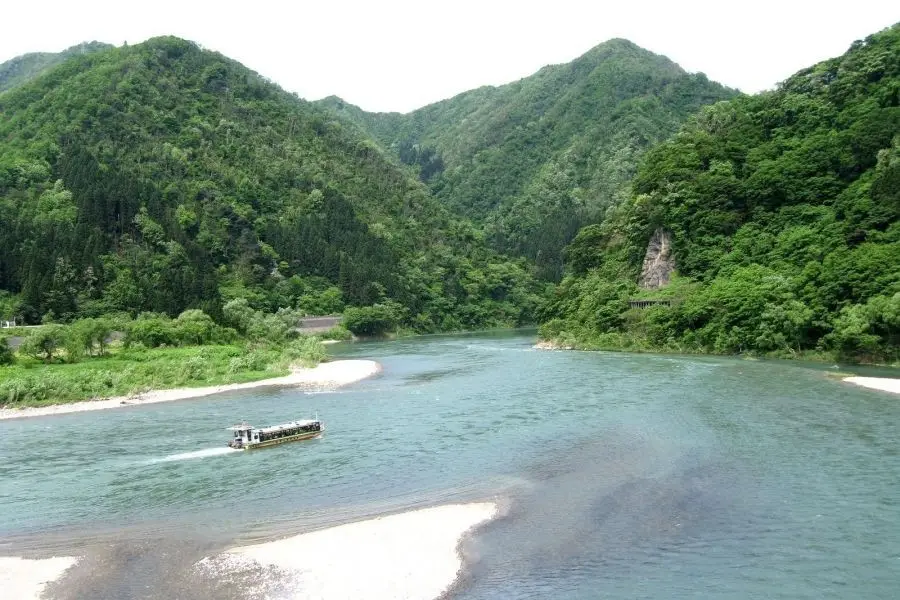
The Tenryū-gawa is born in the Japanese Alps and cuts through the provinces of Nagano, Aichi and Shizuoka along 213 km. It is famous for its rapids and rafting trails — attracting adventurers from all over the world.
Historically, the river served as a route for transporting wood, which was taken down in large rafts. The tradition was replaced by adventure tourism, but the stories remain alive in the small cities around it.
Kiso-gawa (木曽川)
The Kiso-gawa is also born in the Japanese Alps, with about 229 km in length. It is part of the so-called "Three Great Rivers of Kiso" (along with Ibi and Nagara), famous for navigation and scenic beauty.
Curiously, the Kiso was used to transport rice and wood, being vital for regional economic development. Its banks still preserve ancient ports and historic villages.
Chikugo-gawa (筑後川)
On the island of Kyushu, the Chikugo-gawa is the largest river in the region, with about 143 km. Its waters irrigate rice fields, tea fields and even strawberry plantations, giving life to the interior of Fukuoka province.
During summer, the Chikugo is the stage for the traditional "Ukai", a fishing technique using trained cormorants. A scene hard to imagine, but full of symbolism and history.
Ōi-gawa (大井川)
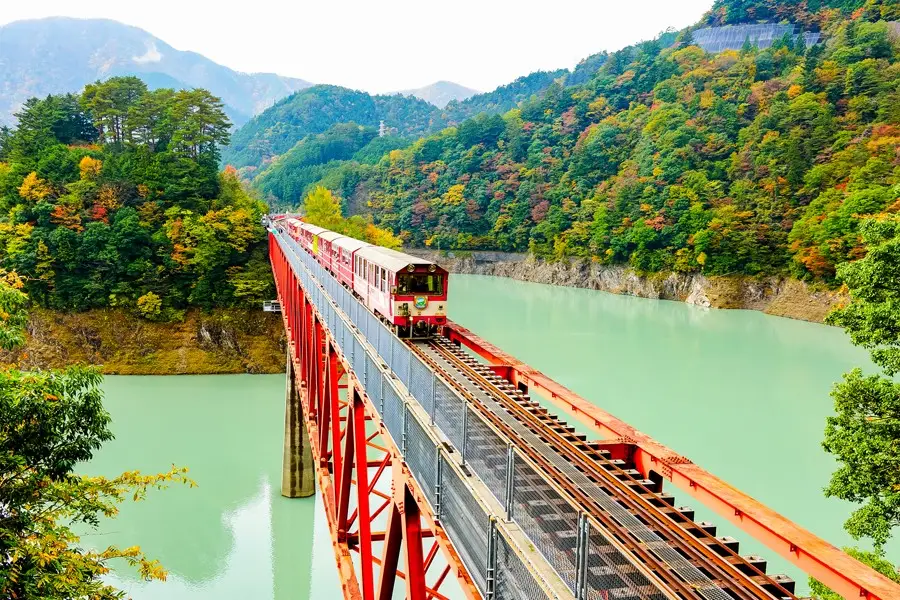
Surrounded by mountains covered in mist, the Ōi-gawa runs 168 km through Shizuoka province. Famous for the old steam train that crosses its bridges, the river is a symbol of nostalgia for many Japanese.
For centuries, travelers were forced to cross its waters on foot, as bridges were prohibited to prevent invasions. Today, the Ōi is synonymous with tranquility and beautiful landscapes.
Yoshino-gawa (吉野川)
With about 194 km, the Yoshino-gawa cuts through the island of Shikoku. The river is revered for its rapids and its floating bridges, unique in Japan.
During summer, it is common to see families camping and young people practicing water sports. It's worth mentioning that the region around Yoshino is famous for the production of handmade washi paper.
Nagara-gawa (長良川)
The Nagara-gawa is one of the cleanest rivers in Japan, with 166 km in length. It is famous for the traditional ayu fishing with cormorants and for the fireworks shows in summer.
If you are looking for breathtaking landscapes and contact with ancestral traditions, a ride on the Nagara is practically mandatory.
Tama-gawa (多摩川)
Near Tokyo, the Tama-gawa is a kind of "green lung" for millions of inhabitants. With 138 km, its banks are used for leisure, sports and even picnics.
Despite being in a densely populated area, the river maintains stretches of preserved nature, showing how urbanization and the environment can coexist.
Hii-gawa (斐伊川)
In the Chūgoku region, the Hii-gawa has 153 km and is known for legends of dragons and gods from Japanese mythology. Its waters run smoothly, irrigating rice fields and serving as a source of inspiration for local artists.
In the autumn months, the red leaves give a spectacle of their own along the course of the river.
Abukuma-gawa (阿武隈川)
With 239 km, the Abukuma-gawa crosses Fukushima and Miyagi. After the nuclear disaster, it received special attention for monitoring water quality, being a symbol of resilience for the region.
It is interesting to see how riverside communities reinvented themselves, using the river for leisure and ecological tourism, changing the narrative from tragedy to overcoming.
Kinu-gawa (鬼怒川)
The name of the Kinu-gawa can be scary (it means "Demon River"), but its waters are calm and famous for the nearby hot springs. With 176 km, the river is vital for Tochigi province.
Kinu is also a route for tourist cruises and houses some of the best onsen resorts in Japan.
Kuma-gawa (球磨川)
In southern Kyushu, the Kuma-gawa (115 km) is known for its rapids and almost wild landscapes. Canoeing and rafting are part of the local culture, in addition to the production of rice and artisanal sake.
Curiously, the Kuma-gawa has also caused historic floods, leading to continuous prevention and environmental education efforts.
Omono-gawa (雄物川)
The Omono-gawa flows through Akita province, in northern Japan, with 133 km. Its waters supply cities and agricultural villages, being fundamental for rice cultivation.
During winter, snow covers its banks, creating an almost magical view — typical of the landscapes of northern Japan.
Ibi-gawa (揖斐川)
With 121 km, the Ibi-gawa is another member of the trio of great rivers of Kiso. Its waters are considered pure, ideal for ayu fishing and for water sports during summer.
The Ibi is also the stage for traditional festivals, which attract tourists in search of culture and local gastronomy.
Sumida-gawa (隅田川)
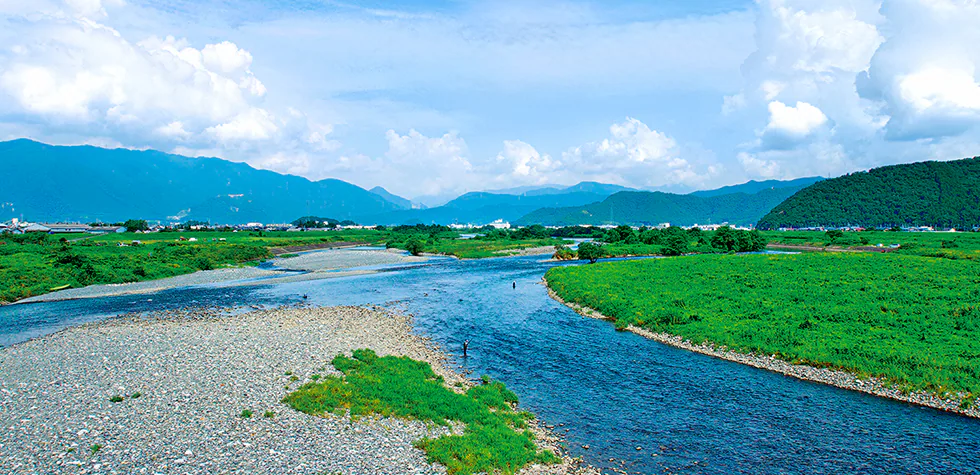
In the heart of Tokyo, the Sumida-gawa may be short (27 km), but it is one of the most famous rivers in the country. It crosses historic neighborhoods, like Asakusa, and is the stage for the oldest fireworks festivals in Japan.
Walking along the banks of the Sumida at dusk is a mandatory experience for anyone visiting the capital.
Ara-kawa (荒川)
Another river vital for Tokyo, the Ara-kawa has 173 km and acts as a line of defense against floods, thanks to huge systems of dikes and artificial channels.
Despite its "practical" function, the Ara also offers parks, leisure areas and is very popular among cyclists and families.
Teshio-gawa (天塩川)
In Hokkaido, the Teshio-gawa runs 256 km through remote and sparsely populated areas. Its icy waters are a habitat for salmon and other migratory fish.
It is an almost wild river, perfect for those who seek contact with nature and little-explored trails.
Sai-gawa (犀川)
The Sai-gawa cuts through Nagano province with 73 km of crystal clear waters. It serves as a setting for sports like canoeing and is surrounded by traditional villages.
During spring, its banks bloom with cherry trees, attracting visitors from all over.
Tokachi-gawa (十勝川)
Located in Hokkaido, the Tokachi-gawa (156 km) is essential for local agriculture, especially in the production of potatoes and wheat.
Curiosity: the hot springs near the river are known for their medicinal properties and attract tourists in search of relaxation.
Watarase-gawa (渡良瀬川)
With 106 km, the Watarase-gawa is known for the vast Watarase-yusuichi swamp, an area of environmental protection and bird watching.
The river was once the stage for mining, but today it is a symbol of ecological preservation, with trails and rides for the whole family.
Yoshii-gawa (吉井川)
In western Japan, the Yoshii-gawa runs 133 km, irrigating rice and vegetable fields in the provinces of Okayama and Hyogo.
It is a calm river, widely used for sport fishing and local recreational activities.
Sendai-gawa (仙台川)
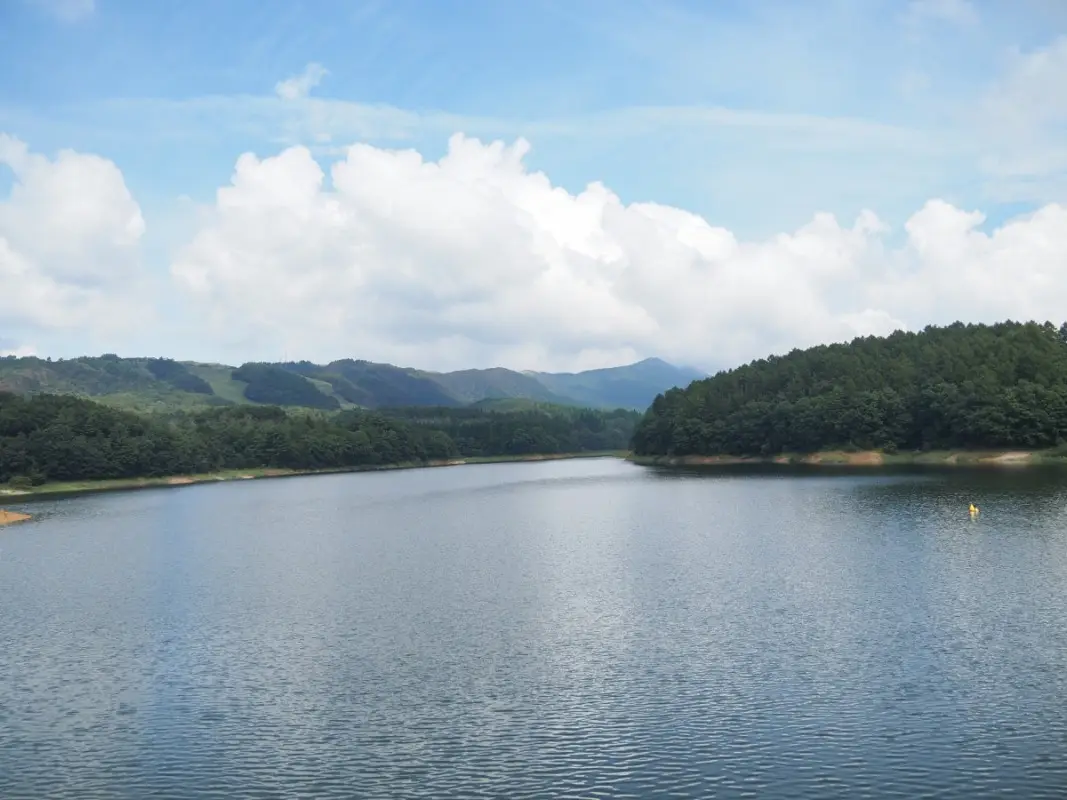
The Sendai-gawa cuts through Kagoshima province, with 47 km of clean waters. Its banks are famous for the blooming of plum trees and for regional festivals.
In summer, children usually play in the shallow waters, while adults take advantage to fish or simply rest in the shade.
Futatsu-gawa (二つ川)
Less known internationally, the Futatsu-gawa has 94 km and is located in Iwate province. It serves as a vital resource for small cities and agricultural communities.
The Futatsu is an example of a river that, even far from the spotlight, plays an essential role in everyday Japanese life.
Gono-gawa (江の川)
Finally, the Gono-gawa, also called Enokawa, has 194 km and crosses the provinces of Hiroshima and Shimane. Its waters were once the stage for historic battles and today supply cities and rural areas.
The river is also known for ecological trails and beautiful waterfalls, perfect for those who seek nature tourism and local culture.

Community
Kommentare
0 Kommentare
In dieser Sprache gibt es noch keine veröffentlichten Kommentare.
Kommentar senden